Your feet are your first connection to the music, the community, and the centuries of tradition. Let's talk about what goes on them.
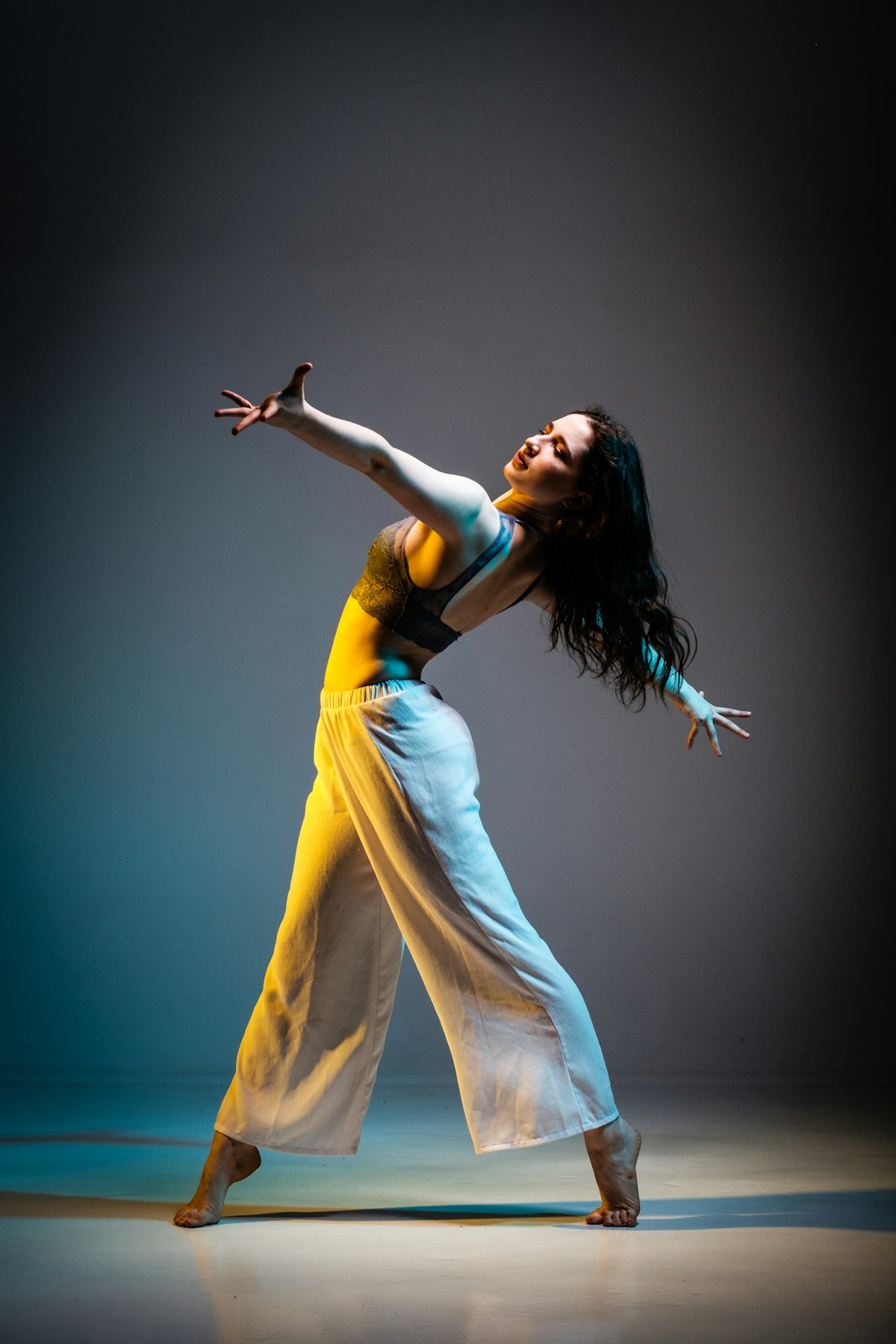
You've felt the pull of the circle, the energy of the line, the story in the step. You're ready to move beyond watching and join the dance. But before you take your place in the set, there's one crucial, often overlooked, decision: your shoes.
Folk dance footwear isn't about fashion; it's about function, tradition, and connection. The right shoe protects you, connects you to the floor, and honors the dance's origin. The wrong shoe can lead to injury, hinder your movement, and even disrupt the soundscape of the dance.
More Than Just Sole: Understanding the Role
Think of your folk dance shoes as specialized tools. A flamenco dancer's zapato is a percussion instrument. A Hungarian tánccipő is built for lightning-fast turns and clicks. A Irish hard shoe is crafted for rhythm, a soft shoe for glide and silence.
Your choice impacts three key areas:
- Safety & Support: Proper arch and heel support for hours of dancing. Slip resistance that's just right—enough to pivot, not so much you stick.
- Movement & Articulation: The sole's flexibility and weight affect every step, stamp, and shuffle.
- Sound & Authenticity: Many dances have a specific auditory component. The click of a heel, the slap of a leather sole, the soft brush of a ballet shoe—it's part of the music.
A World of Steps: Common Folk Dance Shoe Types
The Leather-Soled Character Shoe
Best for: International folk dance (Balkan, Israeli, Scandinavian), English Country Dance, Scottish Country Dance.
A low-heeled, lace-up shoe with a smooth leather sole. It allows for easy pivots, glides, and precise footwork without being slippery. The heel offers stability for hops and stamps. The classic "beginner-to-advanced" workhorse.
The Hard-Soled Dance Sneaker
Best for: Clogging, Modern Morris, Tap, dances where you need cushioning and a consistent, clear sound.
Looks like a sneaker, dances like a percussive instrument. Features a split or full hard sole (often polymer) attached to a flexible, supportive upper. Provides shock absorption for high-impact dances while creating a bright, clean tap.
The Soft Ballet Slipper / Jazz Oxford
Best for: Romanian, Russian, Ukrainian, and other dances requiring fluid, graceful movements, slides, and deep knee bends.
Full leather or canvas soles offer maximum flexibility and a quiet, intimate connection with the floor. Ideal for dances where the focus is on smooth, flowing lines and intricate leg work rather than percussive footwork.
The Specialized Traditional Shoe
Examples: Spanish flamenco shoes, Irish ghillies & hard shoes, Hungarian tánccipő.
These are purpose-built for their specific dance form. Investing in these is a commitment to the craft. They feature unique constructions, nail patterns, heel types, and materials developed over generations to produce the exact right sound, support, and aesthetic.
Finding Your Perfect Pair: A Practical Checklist
Your Shoe-Finding Guide
Use this list as you shop or evaluate your current shoes.
Pro Tip: The "Sock Test" & Break-In
Always try on dance shoes with the socks or tights you'll wear dancing. Break them in gradually—wear them around the house for 20-minute increments before taking them for a full dance session. Leather soles often need scuffing on concrete to remove the factory finish for optimal grip.
The Final Step
Your shoes are the foundation of your dance. They are the interface between your body's expression and the earth. Choosing thoughtfully is an act of respect—for the tradition, for your fellow dancers, and for your own body's journey.
Don't be afraid to ask experienced dancers in your community what they wear and why. Look at their feet! The folk dance world is built on shared knowledge. Now, lace up, buckle up, or tie up. The circle is waiting, and you're ready to step in.










