Your Guide to Choosing the Perfect Folk Dance Shoes
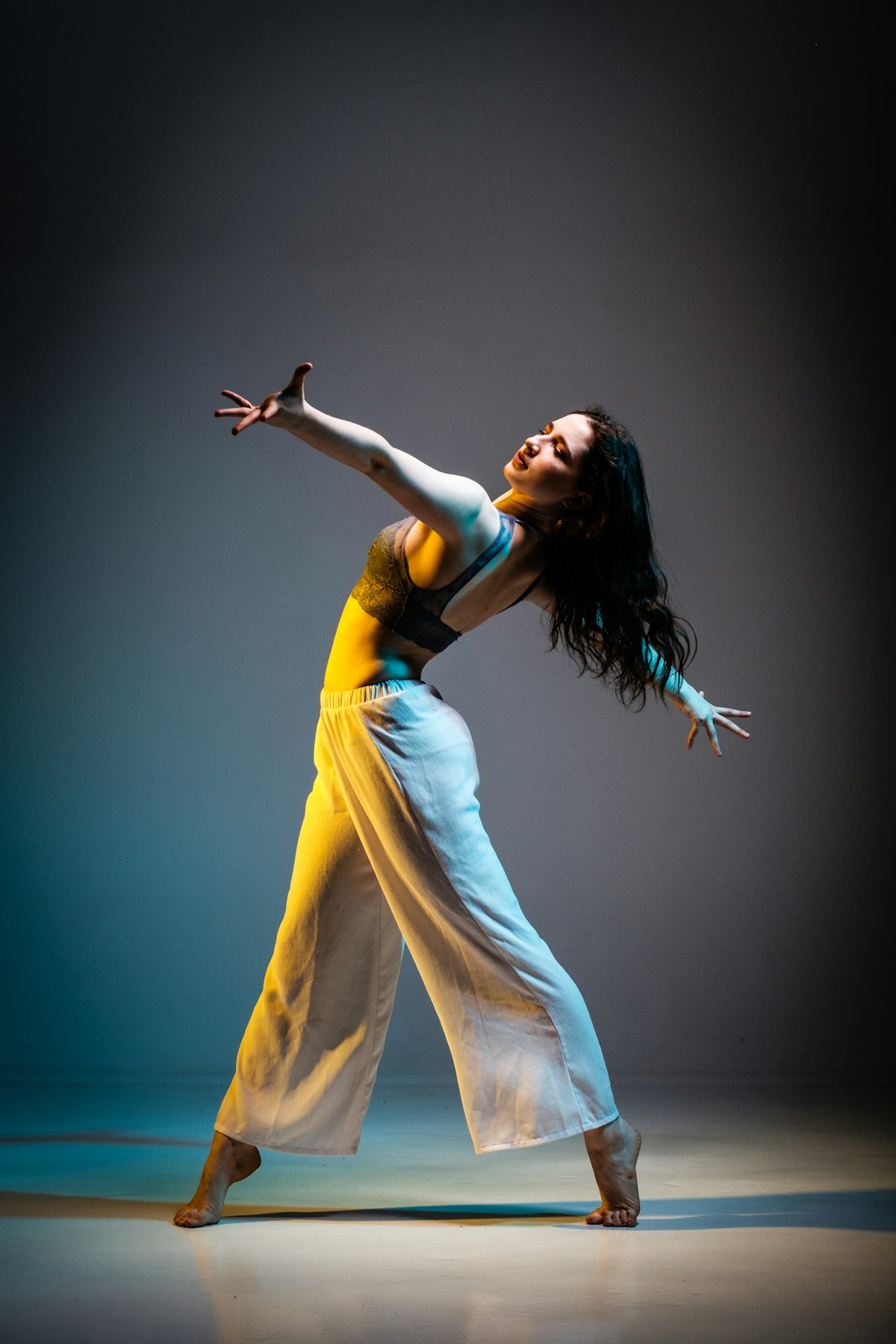
You feel the music swell, your heart syncs with the drumbeat, and the circle calls you in. But as you take that first step, a nagging thought hits: are my shoes going to keep up? The wrong footwear isn't just a minor inconvenience in folk dance—it can mean the difference between a joyful, flowing performance and a hesitant, potentially painful misstep.
Choosing the perfect folk dance shoes is an art that blends tradition, anatomy, and personal expression. It’s about finding the foundation that lets your feet tell the story. Let’s walk through everything you need to know.
Why Your Shoes Are Your Dance Partners
Folk dance is a conversation between you and the floor. Your shoes are the language. The right pair provides the necessary feedback for intricate steps (like the rapid clicks of Flamenco or the smooth glides of Balkan dances), supports your arches during leaps and turns, and protects your joints from the repetitive impact. They are the unsung heroes of stamina and style.
Decoding the Dance: A Shoe for Every Style
Just as a Waltz differs from a Tap routine, the footwear needs of each folk tradition are unique. Here’s your style-by-style breakdown.
European Folk (Irish, Scottish, Balkan)
Key Shoes: Ghillies, Hard Shoes, Opanke, Character Shoes.
Look for: Flexible soles for pointed toes and brushes (Ghillies), or hard soles for percussive steps. Leather that molds to the foot is king.
Latin & Hispanic Folk (Flamenco, Mexican Folklorico)
Key Shoes: Flamenco boots/nailons, huaraches, character heels.
Look for: Sturdy yet flexible construction, reinforced toe boxes for zapateado, and secure straps or laces. Heel height and stability are critical.
Partner & Social Folk (Square Dance, Israeli Folk)
Key Shoes: Leather-soled jazz oxfords, ballet flats, low-heel character shoes.
Look for: Smooth soles that allow easy pivots and spins without sticking. Excellent arch and ankle support for constant movement.
Asian & Classical Folk (Bharatanatyam, Russian Folk)
Key Shoes: Kathak bells (ghungroo), soft ballet slippers, leather ankle boots.
Look for: For percussive styles, secure ankle ties. For soft styles, split-soles for foot articulation. Durability for stomps and jumps.
The 5-Point Fit Checklist
- Arch Alignment: The shoe's arch must match yours. There should be no gap or painful pressure point.
- Heel Lock: Your heel should not slip more than 1-2mm. This is non-negotiable for turns and stability.
- Toe Box Freedom: Your toes should lie flat, able to spread slightly for balance, but not slide forward on impact.
- Flex Point: The shoe should bend exactly where your foot bends (at the ball). Test it.
- Material Matters: Will it stretch? Leather molds, synthetics may not. Consider your need for breathability.
Pro Tip: Shop Smart
Always try on dance shoes at the END of the day when your feet are slightly swollen, just like after a dance session. Wear the socks or tights you typically dance in. And never assume your street shoe size is your dance shoe size—always get professionally measured, especially for brands you haven't worn before.
Material World: Leather, Suede, or Synthetic?
Full-Grain Leather: The gold standard for most styles. Durable, molds perfectly to your foot, and breathes. Ideal for Balkan opanke, Irish ghillies, and jazz oxfords.
Suede Soles: The secret weapon for social and partner dancers. Provides just the right amount of slide and grip on wooden floors. Often added as a half-sole.
Modern Synthetics: Can be excellent for specific needs (like vegan options or ultra-lightweight performance shoes), but research breathability and stretch carefully.
Breaking In & Caring for Your Investment
New shoes should feel snug, not painful. Break them in gradually: wear them for 15-30 minutes around the house first. Use leather conditioner to keep them supple. For suede soles, a brass brush will revive the nap for perfect friction. Always air them out after use—never toss sweaty shoes in a dark bag!
Ready to Find Your Foundation?
Your journey to more confident, expressive dancing starts from the ground up. Visit a specialized dancewear store, talk to your instructor and fellow dancers, and honor the traditions of the dance while listening to the needs of your own body.
Explore Our Recommended Shoe Finder ToolRemember, the perfect folk dance shoe doesn't just fit your foot—it fits the dance, the music, and the story you're telling. When you step into the right pair, you're not just wearing shoes; you're stepping into centuries of tradition, and you're doing it with confidence, grace, and power. Now, go find your perfect pair and dance on!










