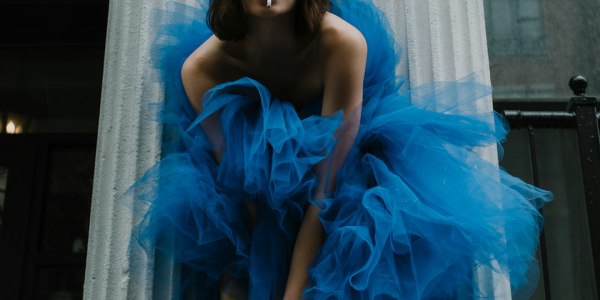
Forget the assumption that you have to flee to New York City for elite ballet training. Tucked away in Albany’s brick buildings and sunlit studios, there’s a thriving scene where former principal dancers teach, students tackle Balanchine rep, and the standard rivals schools in much bigger cities. I’ve walked through these doors, watched corrections land, and seen ambition take flight—right here in the Capital Region. If you’re searching for where to train seriously, or where to send a dedicated young dancer, this is your insider’s map.
The Launching Pad: Schools with Eyes on a Professional Career
If the goal is a company contract, Albany has direct pipelines. At the Albany Berkshire Ballet’s school, you’re not just in a classroom—you’re in the company’s home. Founded in 1960 by a former New York City Ballet dancer, it’s one of the Northeast’s oldest professional ballet operations. Students train in Vaganova technique in a converted warehouse, often sharing space with working professionals during rehearsals. There’s nothing abstract about it; kids perform alongside the company in The Nutcracker and full-length classics, gaining real-stage experience before they even audition elsewhere. Graduates have moved on to companies like Boston Ballet and Joffrey.
Then there’s the intense summer option: the New York State Summer School of the Arts (NYSSSA) School of Ballet at Skidmore College. For four weeks each July, about 60 of the state’s top high school dancers are immersed in daily technique, pointe, and pas de deux classes. What makes it unique is the rotating faculty—you might work with a former principal from San Francisco Ballet one week and a stager from the Balanchine Trust the next. It’s a conservatory audition bootcamp without the cost of traveling to a coastal program.
The College Path: Technique Meets a Broader Education
Not every serious dancer wants a conservatory straight out of high school. The University at Albany’s dance concentration within its Theatre Department offers a smart hybrid. You’ll get rigorous ballet and modern technique classes alongside academic studies, which is perfect if you’re considering dance therapy, education, or arts management. The student company, UAlbany Repertory Company, mounts two full productions a year—from classical works to new pieces by visiting choreographers from groups like Mark Morris or Ballet Hispánico. It’s a chance to build a versatile resume and a college degree simultaneously.
The Foundation Builder: A Focus on Structured Progression
Some families want a clear, step-by-step path with measurable benchmarks. Capital Region Dance Academy in Colonie has built its reputation on that since 1987. They use a graded examination system (drawing from Cecchetti, Vaganova, and RAD methods) where students advance through twelve distinct levels. This structure is fantastic for goal-oriented dancers and those considering teaching certifications later on. They also stand out for their investment in boys’ training, with dedicated scholarships and male faculty. Their students regularly compete at the Youth America Grand Prix and perform at The Egg, making the progression from studio to stage very tangible.
The Open Door: Dance for the Community
Not everyone is chasing a professional career, and Albany Dance Connection gets that. Founded in 2004 in a converted church, its mission is access. Their sliding-scale tuition model ensures that cost isn’t a barrier to quality training. This is where a curious adult can try a beginner ballet class without intimidation, or a teen can supplement their school dance team with solid technique. It’s a reminder that ballet isn’t just for the elite—it’s an art form that belongs to anyone willing to show up and try.
---
So before you book that one-way ticket to Manhattan, take a look around Albany. That teenager nailing her fouettés on North Pearl Street? She might be training right alongside the next generation of professionals, no subway ride needed. The talent, the teachers, and the tradition are already here—you just have to know where to look.