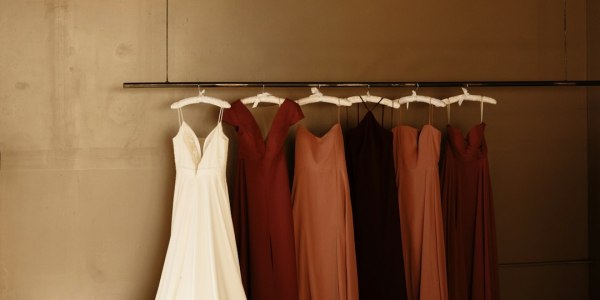
The moment you step into the spotlight, your costume color speaks before you move. It signals your style, complements your technique, and either amplifies your presence or fades you into the background. Choosing the right color scheme for your belly dance costume isn't merely about aesthetics—it's about crafting visual confidence that transforms how you feel and how audiences receive your performance.
This guide moves beyond basic color theory to help you build a costume palette rooted in your unique features, dance tradition, and performance environment.
The Psychology of Color on Stage
Color operates on audiences subconsciously. Deep crimson suggests passion and drama; champagne whispers elegance; electric blue crackles with energy. Before selecting a single thread, consider what emotional landscape you want to create. Your color choices become part of your choreographic vocabulary, reinforcing—or contradicting—your movement intentions.
Experienced dancers often develop signature palettes that audiences associate with their artistic identity. But before establishing that signature, you need to understand the technical foundations that make colors work for you rather than against you.
Understanding Your Personal Color Foundation
Reading Your Undertones
The outdated warm/cool binary fails many dancers. Instead, examine your skin through multiple lenses:
Warm undertones (green-tinged veins, gold jewelry flatters): Your skin glows in saturated jewel tones—emerald, teal, ruby—and earthy metallics like copper and antique gold. Yellow-based pastels often create sallow shadows under stage lights; reach instead for rich, sun-drenched hues.
Cool undertones (blue-tinged veins, silver jewelry flatters): Sapphire, fuchsia, and icy mint enhance your natural luminosity. Pure white often suits you better than cream; charcoal reads more sophisticated than brown.
Neutral undertones (veins appear blue-green, both gold and silver work): You have maximum flexibility. Experiment with unusual combinations like mustard and lavender, or dusty rose with sage.
Deep skin tones (rich brown to ebony): High-contrast colors—turquoise, coral, citron, magenta—make you incandescent under lights. Don't shy from bold saturation; muted tones may appear muddy against your richness.
Fair skin tones (porcelain to light beige): Dramatic jewel tones won't overwhelm you. Deep sapphire, burgundy, or forest green create striking presence without washing you out.
Beyond Skin: Hair, Eyes, and Makeup Integration
Your costume exists in conversation with your complete visual presentation. Red-haired dancers often find copper and rust create harmonious warmth, while raven-haired performers can anchor dramatic jewel tones. Consider your stage makeup palette too: if you favor gold eye makeup, coordinate with warm costume accents; silver makeup calls for cool-toned fabrics.
Color by Dance Tradition
"Traditional" and "modern" tell dancers nothing useful. Instead, align your palette with specific stylistic lineages:
| Style | Characteristic Palette | Why It Works |
|---|---|---|
| Egyptian Oriental | Champagne, gold, deep red, black, ivory | Reflects Cairo nightclub glamour; understated elegance lets technique shine |
| Turkish/Roma | Hot pink, electric blue, lime green, tangerine | High contrast matches energetic, playful movement vocabulary |
| Lebanese | Rich purple, emerald, gold, white | Balances drama with sophistication; heavy beading in metallic threads |
| Tribal/ATS | Rust, olive, burgundy, slate, antique silver | Earthy, matte, layered—evokes nomadic textile traditions |
| Fusion/Contemporary | Monochrome, neons, unexpected pairings (coral and charcoal, mustard and plum) | Prioritizes personal artistic expression over tradition |
Understanding these conventions helps you honor lineage when appropriate—or deliberately subvert expectations for creative effect.
The Technical Reality of Stage Lighting
Fabric and lighting interact unpredictably. A color that stuns in daylight may disappear or distort under stage conditions.
Understanding Color Temperature
Warm tungsten lights (2700K), common in restaurants and older theaters, cast yellow-orange tones. Cool blues shift toward gray; pure white reads cream. Compensate with teal, jade, or coral rather than true blue or stark white.
LED and fluorescent lighting (5000K–5600K) renders colors more accurately but can flatten metallics. Choose fabrics with dimensional texture—sequins, beads, laser-cut appliqué—that create reflection and shadow.
Colored gels or RGB LEDs, increasingly common in fusion and theatrical venues, demand strategic planning. If you know your performance space uses heavy pink or blue washes, avoid costumes in those families—they'll blend into the light rather than popping against it.
The Draping Test: Your Practical Assessment
Don't trust memory or imagination. Execute this three-condition test:
- **