The Green Room
Where performance meets progress. News, insights, and conversations on the future of the arts.
The world's leading ballet and contemporary ensembles are redefining what it means to go on tour, swapping carbon-heavy logistics for innovative, planet-conscious models that could reshape the entire performing arts industry.
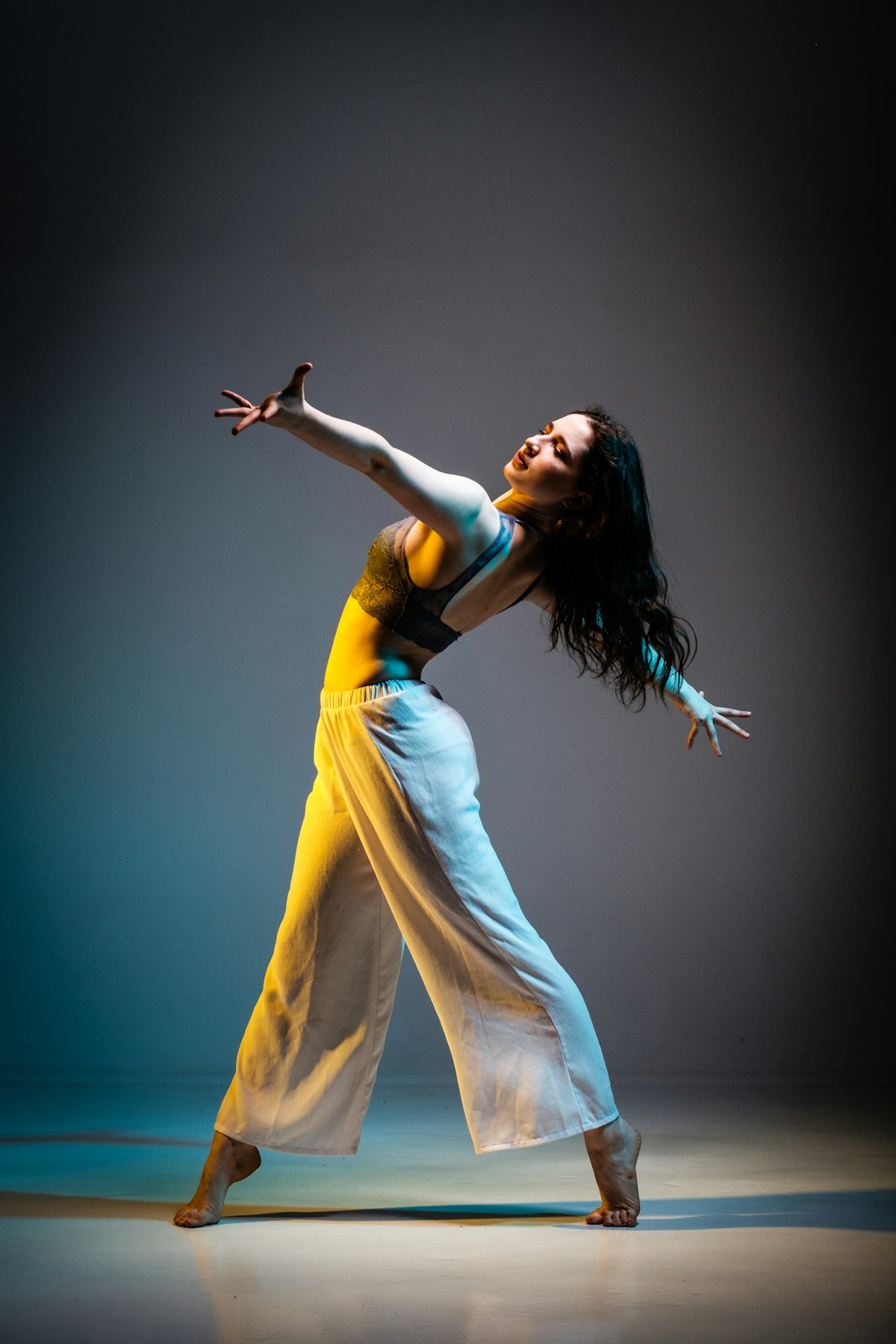
For decades, the glamour of international touring has been a cornerstone of a major dance company's prestige and financial model. But behind the scenes of those glittering opening nights across continents lay a less elegant reality: a massive carbon footprint generated by air freight for sets, countless flights for dancers and crew, and trucks crisscrossing countries.
That reality is now undergoing a radical transformation. In a coordinated move that signals a new era for the performing arts, a consortium of global dance powerhouses—including the Royal Ballet, the Martha Graham Dance Company, the Nederlands Dans Theater, and the Australian Ballet—have announced their commitment to fully carbon-neutral touring models by the 2028-2029 season.
The "Green Rider": More Than Just a Clause
The initiative, dubbed "The Next Stage Accord," moves beyond simple carbon offset purchases, which have been criticized as a band-aid solution. Instead, companies are implementing a multi-pronged strategy embedded into a new standard contract addendum, already being called the "Green Rider."
The Pillars of the Green Rider:
- Localized Production: Sets and costumes are designed for flat-packing and sea freight, with key elements duplicated and stored in strategic global hubs. Where possible, materials are sourced locally at the tour destination.
- Travel Rationalization: Utilizing slower travel (trains, coaches) for regional tours, extended residencies in fewer cities to reduce trips, and mandatory virtual rehearsals for technical crews in advance.
- Venue Partnership: Presenting theaters must commit to sharing energy usage data and working towards powering performances with renewable sources.
- Digital Extensions: High-quality livestreams are offered for each tour stop, not as an afterthought, but as a core part of the audience strategy, reducing the need for long-distance travel by dedicated fans.
Leading by Example: Who's Doing What
The shift isn't theoretical. Companies are already reporting on their pilot programs with surprising results.
Creative Challenges & Unexpected Benefits
Artistic directors admit the constraints have sparked creativity. "Designing for sustainability forced us to question every element," says choreographer Lena Vogt, whose recent work was co-commissioned by three accord companies. "The result is a more fluid, imaginative piece that lives in the dancers' bodies and the light, not in shipping containers."
"This isn't about limitation; it's about a new kind of artistry. The most profound beauty often comes from working within boundaries. Our boundary is now the health of our planet."
Financially, the model presents a complex picture. Initial investments in digital infrastructure and new set materials are high. However, companies report significant savings on freight, insurance, and last-minute air travel, along with new revenue streams from digital access passes and deepened local sponsorships tied to sustainability goals.
The Ripple Effect
The accord is sending shockwaves beyond dance. Theater, opera, and symphony orchestras are closely watching the results. Festival circuits, known for their environmental impact, are under increased pressure to adopt similar frameworks. A new wave of "green arts consultants" is emerging, and funding bodies in Europe and Canada are now prioritizing grant applications with robust environmental plans.
The stage is literally being reset. As the curtain rises on this new era, the message is clear: the future of world-class performance depends not just on artistic excellence, but on its harmony with the planet. The spotlight is now firmly on sustainability, and the dance world is leading the choreography for a greener arts ecosystem.










