Finding Your Foundation: A Guide to Choosing the Right Contemporary Dance Shoes
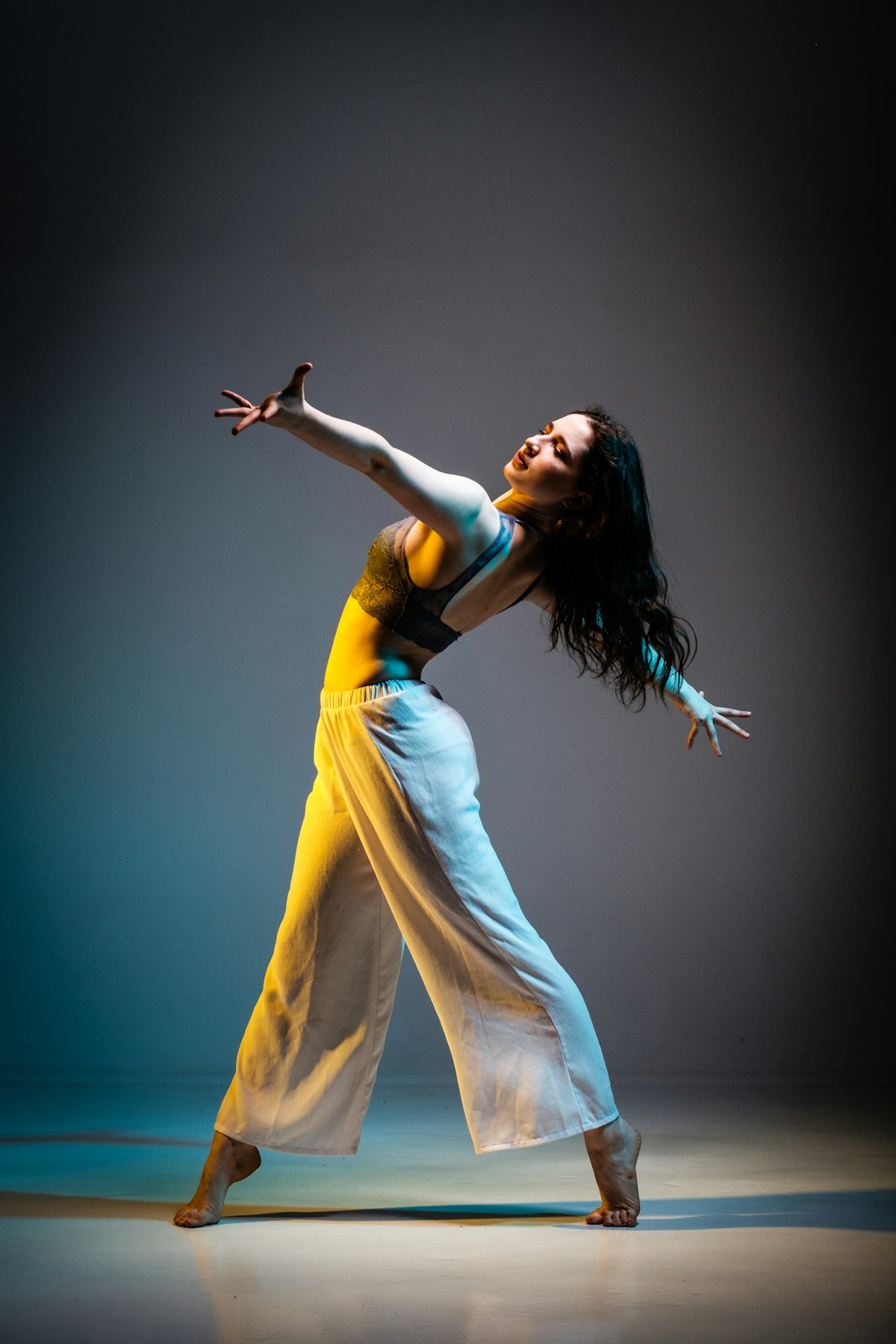
In contemporary dance, your feet are your primary instrument of expression. They tell stories, absorb impact, and connect you to the floor. The right shoe isn't just an accessory; it's an extension of your body and a critical partner in your movement vocabulary. But with so many options, how do you find your perfect match?
Beyond the Shoe: Understanding Your Movement Needs
Before browsing styles, ask yourself: What does your body need? Is your practice heavy on floorwork, requiring protection and slide? Do you focus on lyrical, floating phrases that demand barefoot sensation with a hint of grip? Or is your style percussive and grounded, needing shock absorption? Your technique, the studio floor surface (marley, wood, concrete), and any personal physical considerations (arch support, toe protection) are the true starting points.
The Contemporary Footwear Palette
Gone are the days of one-size-fits-all. Today's dancer has a sophisticated toolkit at their feet.
1. The Second Skin: Foot Thongs & Half-Soles
The minimalist's choice. These provide a thin layer of protection for the ball of the foot while leaving the heel and arch free. Ideal for dancers who crave the feeling of being barefoot but need to pivot, turn, and protect against floor burn on aggressive floorwork.
2. The Universal Soldier: Full-Soles
Offering complete coverage, the contemporary full-sole is typically a soft, flexible leather or canvas shoe that hugs the foot's contours. It provides more protection than a half-sole while still allowing for articulate footwork and a good sense of the floor. Perfect for mixed-vocabulary classes and longer rehearsal days.
3. The Specialist: FootUndeez & Dance Paws
These ultra-thin, sock-like covers are made from stretchy, tactile materials. They protect the entire foot from abrasion and cold floors while maximizing sensory feedback. They're a favorite for improvisation and somatic practices where connection is paramount, but they offer little cushioning.
4. The Hybrid: Split-Sole & Convertible Styles
Innovation continues with shoes designed for versatility. Look for split-sole designs that enhance arch flexibility or convertible styles that can be worn as a full-sole or rolled down to a half-sole. These are great for dancers who move between different techniques within a single session.
Material World: What Are They Made Of?
The material defines the feel.
- Leather: Durable, molds to your foot over time, offers a sleek look and good slide for turns. Can be less grippy on dusty floors.
- Canvas: Lightweight, breathable, and often provides more grip than leather. Offers a more "textured" connection to the floor.
- Stretch Fabrics (Lycra, Microfiber): Offer a sock-like, seamless fit that moves with every muscle. Excellent for articulation but may wear out faster on rough surfaces.
- Suede Bottoms: Sometimes added to half-soles or foot thongs, suede patches offer controlled slide for turns and pivots, a game-changer for turning sequences.
✔️ The Case for Shoes
- Protection from blisters, burns, and cold floors.
- Hygiene in shared studio spaces.
- Enhanced ability to pivot, turn, and slide.
- Can provide subtle support and proprioceptive feedback.
- Defines the line of the foot aesthetically on stage.
❌ The Case for Barefoot
- Ultimate sensory connection to the floor.
- Strengthens the intrinsic muscles of the feet.
- Unmediated expression and grounding.
- No cost or gear to manage.
- Essential for certain somatic and release-based techniques.
Your Personal Fitting Checklist
Don't just buy—try, move, and feel. Here’s what to test for:
- Snug, Not Tight: They should hug your foot without constricting. Your toes should lie flat, not curl.
- Flex Point Alignment: The shoe's most flexible point must match the bend of your metatarsals. Do a deep plié in relevé to check.
- Heel Security: The heel should not gap or slip when you point your foot or land from a small jump.
- Seam Check: Run your fingers inside. Seams should be flat and not rub against any bony prominences.
- Move in Them: Perform your core vocabulary: roll through the foot, spiral, slide into the floor, try a simple turn. How do they feel?
- Surface Test: If possible, try them on the surface you'll most often use. Grip and slide can vary dramatically.
The 2026 Perspective: Sustainability & Tech
Contemporary dance culture is increasingly conscious. Brands are now offering shoes made from recycled materials, biodegradable options, and vegan leathers. Furthermore, expect to see more "smart" integrations—like thin, removable insoles for pressure mapping or temperature regulation—though the core philosophy remains about enhancing, not interrupting, the body's dialogue with the ground.
Your ideal contemporary dance shoe is the one that disappears. It doesn't distract you with discomfort or inappropriate function; instead, it silently supports your artistic intent. It’s the foundation that allows you to forget about your feet and focus on the flight, the fall, and the story. So listen to your feet, honor your practice, and choose the partner that helps you dance without limits.










