The journey from passionate student to paid performer is more structured than you think. We break down the non-negotiable first moves in today's hyper-competitive landscape.
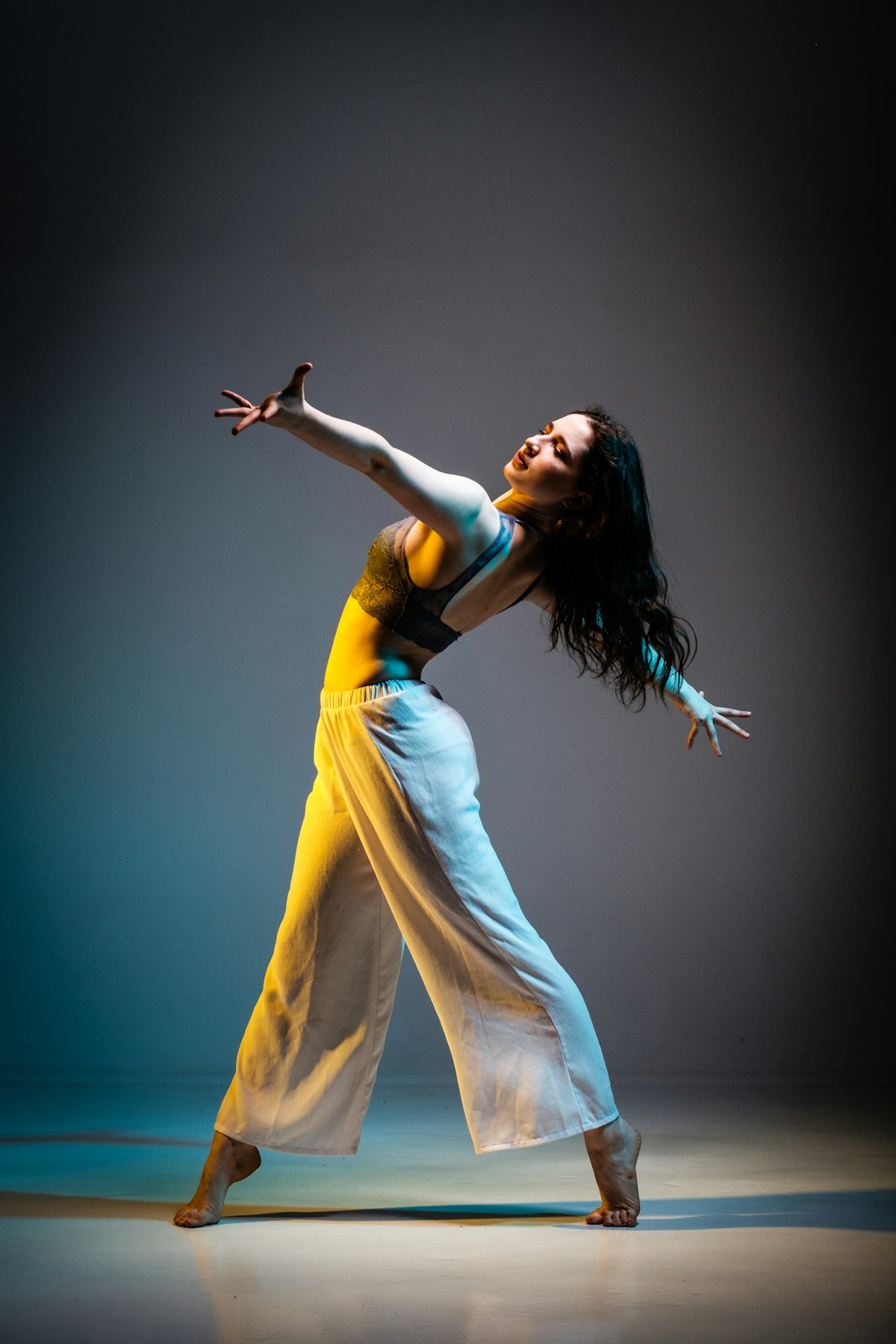
The dream is universal: the lights, the music, the roar of the crowd, the sheer physical poetry of expressing a story with your body. But the path from your local studio's familiar barre to the glaring lights of a professional stage can feel like a mystery, shrouded in talent, luck, and vague advice.
In 2026, the industry is evolving faster than a choreographer's combo. Digital presence is as crucial as your pirouette, versatility trumps specialization, and the very definition of a "stage" has expanded to include virtual realms and immersive experiences. Cutting through the noise requires a strategic blueprint.
Forget waiting to be discovered. Here are your first five concrete, actionable steps to build the foundation of a professional dancing career.
You know you need strong technique. But professional readiness in 2026 demands a triple-threat audit. First, Technical Foundation: Are you consistently taking advanced-level classes, and can you execute style-specific vocabulary flawlessly? Second, Artistic Voice: Can you adapt to a choreographer's style while injecting unique quality? Record yourself. Does your performance translate on camera? Third, and most overlooked, Industry Skills: Can you pick up choreography quickly in an audition setting? Do you understand basic music theory for counts? This audit isn't for self-critique, but for creating a targeted training plan. Identify your weakest of the three and attack it for the next 90 days.
A 60-second Instagram reel is a calling card, not a portfolio. Professionals are now expected to maintain a dynamic digital studio. This includes: a professional website with a full-length performance video, process videos showing your work ethic, clean social media profiles dedicated to your craft, and evidence of collaboration. Start filming your studio practice, not just the final product. Choreograph a short piece on friends. Document the journey of learning a particularly difficult sequence. This digital footprint demonstrates not just ability, but professionalism, creativity, and passion—long before you walk into an audition room.
Networking is exchanging Instagram handles. Alliance-building is creating mutual value. Move beyond your usual class cohort. Take workshops from different teachers and stay after to ask intelligent questions. Connect with emerging choreographers at student showcases—offer to be a body for their experimental work. Collaborate with musicians, digital artists, or costume designers on small projects. These alliances become your first professional circle: the choreographer who remembers your work ethic, the videographer who needs a dancer for a passion project, the peer who recommends you for a gig. This organic web is more reliable than any open cattle-call audition.
Dancing is art; being a dancer is a business. Use your pre-professional time to become literate in the unsexy essentials. Understand standard contract terms, union basics (like AGMA or Equity), and how to invoice for freelance work. Learn about liability insurance for independent contractors. Follow industry news on platforms like Dance Magazine and Pointe to understand who is hiring, what styles are trending, and which companies are expanding. This knowledge transforms you from a talented dancer into a savvy professional who can be trusted with a contract, making you a lower-risk, more attractive hire.
Waiting for permission is the amateur's game. Your first professional credit should ideally be one you initiate and control. Produce a small-scale showcase with your alliance network. Choreograph and film a concept video for a local band. Organize a site-specific performance in a public space (with permits!). This serves a triple purpose: it gives you a tangible credit for your resume/CV, it proves your entrepreneurial and leadership skills—highly valued in modern companies—and it fundamentally shifts your mindset from "hoping to be chosen" to "capable of creating." The confidence gained from producing your own work is irreplaceable in an audition.
The transition from student to professional is less a leap and more a deliberate climb, built one strategic step at a time. It requires you to be not only an athlete and artist but also a marketer, a student of the business, and a proactive creator of your own opportunities.
The stage is waiting. But more importantly, the work is waiting. Start building your bridge today.










