Forget about algorithms that simply mimic movement. The latest leap in creative AI isn't replacing dancers—it's listening to them, learning their style, and proposing ideas that feel less like code and more like an intuitive partner in the studio.
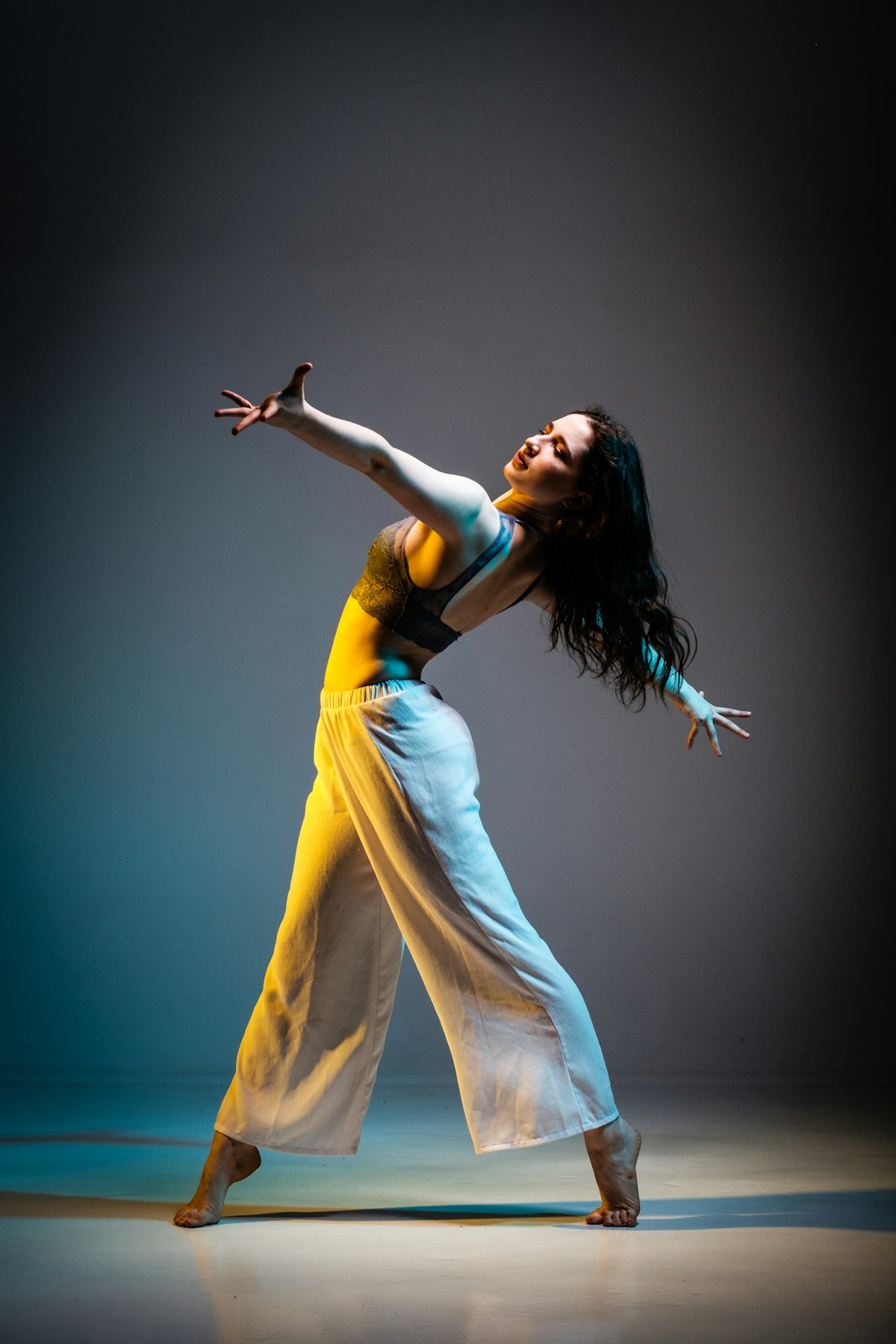
The relationship between technology and dance has always been one of tool and master. The camera captured it, the editing suite sequenced it, and motion capture analyzed it. But the creative spark? That was strictly human. Until now.
A new platform, emerging from a stealth-mode startup and a renowned contemporary dance company, is flipping the script. Dubbed "Kinesis AI," it's not a choreography generator. Its developers insist it's a "co-pilot for embodied creativity." Early performances using the tool have left audiences—and critics—stunned, unable to discern where the dancer's intuition ended and the algorithm's suggestion began.
How It Works: More Dialogue Than Command
Previous AI dance systems relied on vast libraries of recorded movement, stitching together pre-existing phrases. Kinesis AI works on a fundamentally different principle: real-time somatic dialogue.
A dancer enters a studio equipped with standard motion sensors. They begin to move, perhaps exploring a theme like "collapse" or "resilience." The software, using a novel neural architecture, doesn't just track limbs; it models intent, weight distribution, and kinetic energy. Within seconds, it begins to respond.
Intent Modeling
Goes beyond joint positions to interpret the qualitative "feel" of a movement—is it heavy? Sharp? Flowing?—using biomechanical and emotional context models.
Generative Suggestion
Proposes not just a next move, but sequences, variations, or even opposing movements that challenge the dancer, displayed as abstract wireframes or through haptic feedback suits.
Style Absorption
Learns the unique movement signature of the individual dancer over sessions, ensuring its suggestions feel personal, not generic.
The Human Is Still the Conductor
This is the critical distinction. The dancer can accept, modify, or reject suggestions with a gesture or voice command. They can ask the AI to "explore that phrase in a lower level" or "make it more chaotic." The software then re-calculates, creating a true feedback loop. The resulting piece is a hybrid artifact, impossible without either participant.
Choreographers are using it as a brainstorming partner to break creative blocks, while dance therapists are piloting it to help patients explore movement in new ways. The implications for dance education are profound, offering students an infinite, adaptive partner for practice.
The Ethical Pirouette
Of course, breakthrough brings debate. Who owns the copyright to a duet composed by a human and an algorithm? Can an AI be credited as a co-choreographer? The developers are proactively working with arts councils and legal experts to establish new frameworks for "co-created IP." Their stance is that the software is a brush, not a painter.
Yet, the awe is palpable. At a recent demo, a sequence involving a dancer and her AI-projected "shadow" that anticipated and extended her movements brought some in the audience to tears. It tapped into a universal yearning: to be truly seen and understood, even by something we built ourselves.
The Future of Movement is a Conversation
The Kinesis AI breakthrough signals a new era for all collaborative arts. It moves us from using AI as a fancy tool to engaging with it as a creative catalyst. The studio of the future might have a third presence in the room—an intelligent, responsive space that listens, learns, and dreams in motion alongside us. The question is no longer "Can machines be creative?" but rather "What new forms of beauty can we discover when we create together?" The stage, it seems, is now shared.
Related Dance Classes & Studios
More







Recommended Dance Products
More


Leave a Comment
Comments (0)
- No comments yet. Be the first to comment!