Beyond mere accompaniment, the music in lyrical dance is the emotional blueprint. Here’s how to build a playlist that doesn’t just play in the background, but breathes, argues, and weeps with the dancer.
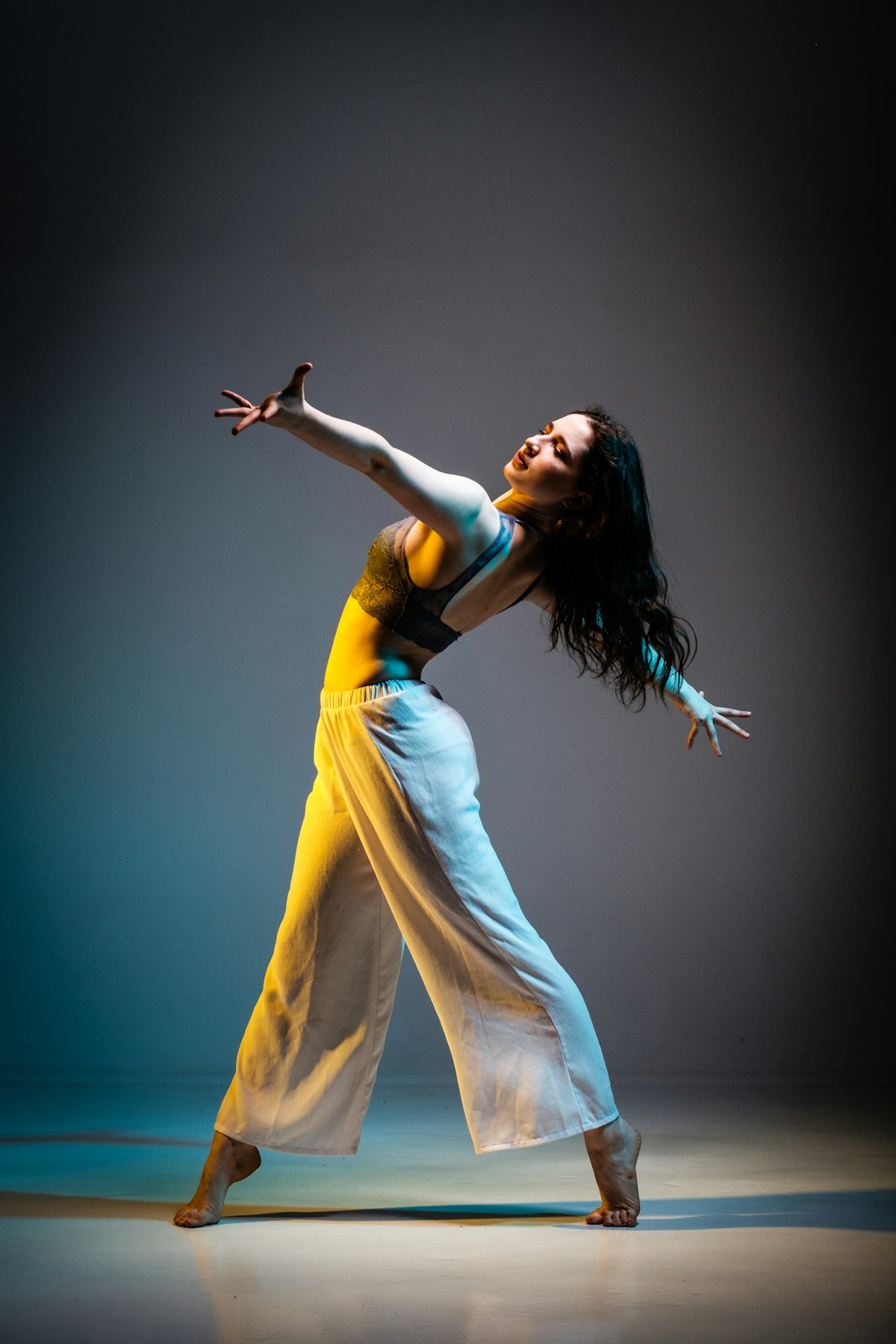
In lyrical dance, the body becomes a translator. It takes the abstract language of music—the swell of strings, the ache in a vocal run, the silence between piano notes—and renders it into physical, visceral truth. The curator’s job, then, is not to find a song with a good beat, but to find a world the dancer can inhabit. A world with its own weather, its own memories, its own heartbeat.
The Architecture of Emotion: More Than Just a "Sad" or "Happy" Song
Forget broad genres. Curating for lyrical is about micro-emotions. It’s the difference between the melancholic nostalgia of a faded photograph and the sharp, immediate grief of a fresh loss. Both are "sad," but they move through the body in entirely different ways.
"The best lyrical music has space. Not just sonic space, but narrative space. It asks a question the body must answer."
Start by listening for texture and dynamics, not just melody. A song that builds from a single, pure piano note to a full, chaotic orchestral climax offers a journey. That journey is your choreographic map. The retreat back to silence is just as important as the crescendo.
Deconstructing a Soundtrack: The Layers
- The Pulse (Percussion/Beat): This is the internal monologue. A steady heartbeat? A frantic, panicked flutter? A hesitant, stumbling rhythm? This dictates the dance's fundamental energy.
- The Voice (Melody & Lyrics): The conscious thought. The story being told aloud. Pay attention to the singer’s breath—when do they gasp? When do they sustain? The dancer can mirror that breath, making the music’s life force visible.
- The Atmosphere (Harmony & Instrumentation): The memory, the context, the unseen force. The ache of a cello, the shimmer of a synth pad, the dissonance of unresolved chords. This is the emotional landscape the dancer moves within.
The Curator's Toolkit: A Sample Framework
Instead of a single song, think in emotional arcs. Build a mini-playlist for a single piece that explores one emotion’s many facets.
Theme: Longing
- Track 1: The Ache (Recognition). Sparse, ambient piano. A vocal with gentle vulnerability. Movement initiation: internal, close to the core, tactile.
- Track 2: The Search (Reach). Adds rhythmic pulse, driving strings. The melody yearns upward. Movement: expansive reaches, traveling patterns, moments of suspension.
- Track 3: The Conflict (Resistance). Percussive elements clash, minor-key dissonance. Movement: sharp contractions, falls, recovery phrases, emotional struggle.
- Track 4: The Resonance (Acceptance/Transformation). Music resolves, not to happiness, but to a complex, quiet truth. A single, sustained note. Movement: grounded, open shapes, slow turns, final focus outward—connecting the internal journey to the audience.
This framework isn't a formula, but a lens. Apply it to joy, to rage, to confusion.
Beyond the Obvious: Source Mining in 2026
Move past the standard cinematic covers and pop ballads. The new frontier for lyrical curation is vast:
- Neo-Classical & Modern Composers: Artists like Hania Rani, Ólafur Arnalds, and Library Tapes craft pieces that feel both timeless and intimately new, full of raw, instrumental storytelling.
- Ambient & Textural Electronica: Look for artists who use soundscapes as narrative. The work of Kaitlyn Aurelia Smith or Tim Hecker can provide an abstract, thrilling canvas for highly interpretive movement.
- Global Folk Re-imaginings: Traditional instruments and melodies from around the world, reinterpreted through a contemporary lens (e.g., Arooj Aftab, Seckou Keita). They carry deep cultural memory in their tones.
- Spoken Word & Found Sound: Don’t underestimate the power of a poet’s voice or the rhythm of a cityscape. Layering these under a musical bed can create profound, immediate narrative.
The Final, Crucial Step: Dialogue
The curation process is not complete in your headphones. Bring the music to the dancer. Play it. Watch their body as they hear it for the first time. Do their shoulders react to that violin entry? Does their breath catch at the same spot yours did? The dancer’s instinctive, pre-choreographic response is your most valuable data point. The soundtrack is a conversation. You’ve spoken with your selection. Now, let the dancer reply with their bones, their breath, their being.
When music and movement are curated with this level of intentional symbiosis, something alchemical happens. The dancer disappears, the music visualizes, and all that remains is the story, told in the ancient, universal language of feeling.










