Forget the pointe shoe. The modern dancer's toolkit is defined by a different kind of intimacy with the floor. We break down the three non-negotiable pillars of your next pair.
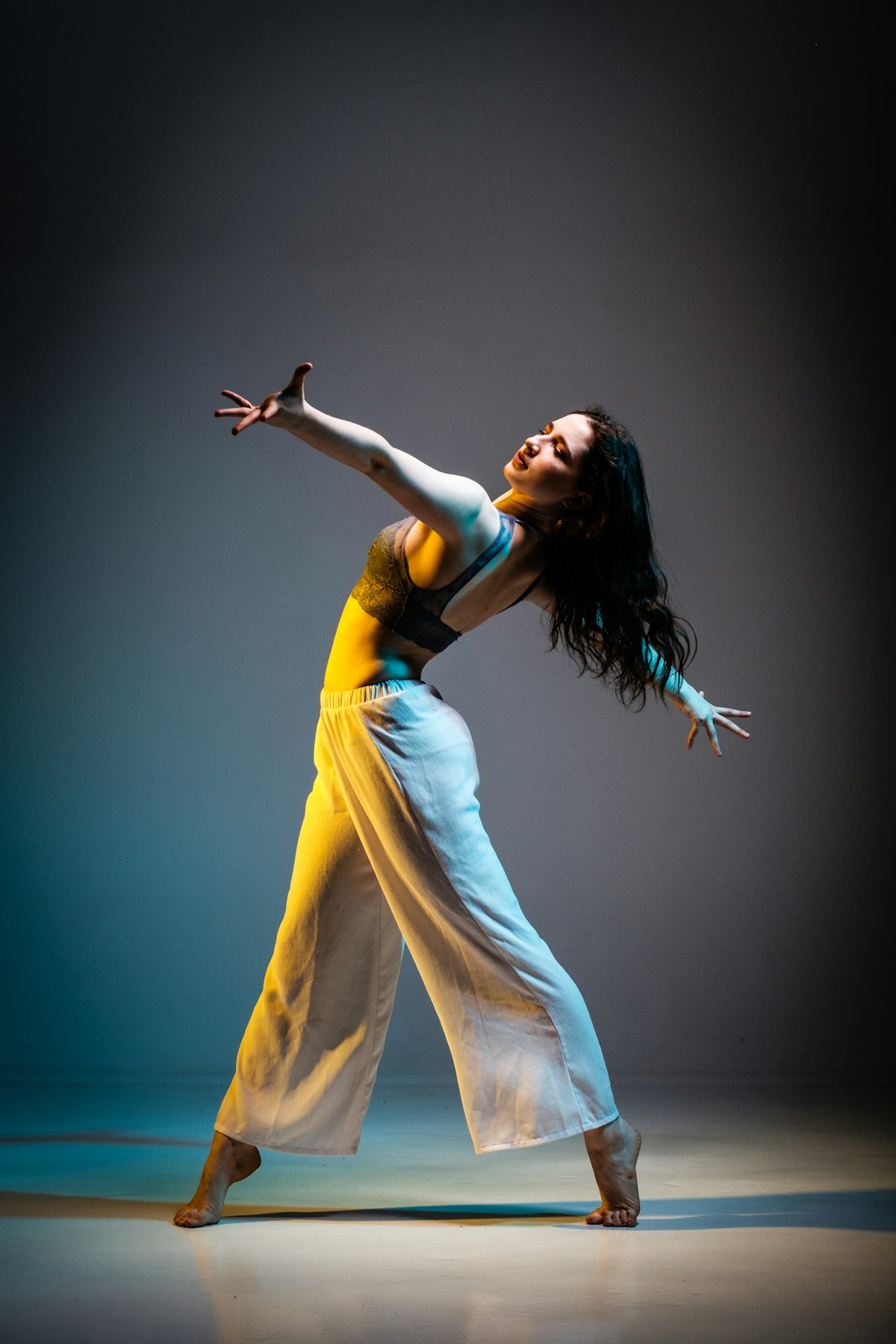
In contemporary dance, the conversation starts at the ground. It’s a dialogue of pressure and release, of skin (or near-skin) against wood, marley, or concrete. The shoe is no longer a tool for elevation and illusion, as in ballet, but a membrane—a translator between body and earth. Choosing the right one isn't about aesthetics; it's about facilitating honesty in your movement.
Gone are the days of a one-style-fits-all approach. Today's choreography demands versatility, from fluid, floor-hugging spirals to explosive, percussive jumps. Your footwear is the first point of negotiation. Let's move beyond the brand names and dive into the essential trinity: Grip, Flex, and Feel.
The Holy Trinity of Modern Movement
1. Grip: The Trust Factor
Grip is not just about preventing slips. It's about controlled slide and instant arrest. It's the difference between a confident, deliberate drag and an accidental fall.
- Split-Sole Socks: Maximum surface contact. The hybrid choice for dancers who want barefoot sensation with joint protection and moderate grip. Perfect for intricate floorwork where you need to feel every grain.
- Full-Sole Leather Slippers: Offer a "second skin" that develops a personalized grip over time. They allow for pivots and turns with less friction than socks, ideal for phrases that blend sliding and stopping.
- Specialized Rubber Pads (e.g., FootUndeez, Taye Socks): Targeted grip zones (ball, heel) offer security for launches and landings while keeping the arch free. The techwear of dance footwear.
"The right grip doesn't stick you to the floor; it gives you the confidence to leave it and return on your own terms."
2. Flex: The Articulation Enabler
Can your foot fully point, flex, and sickle? Does the shoe move with you or against you? Flex is about the shoe's willingness to disappear, allowing every articulation of the metatarsals and toes to be visible and functional.
- Ultra-Thin Canvas Slippers: Like a layer of paint. They offer minimal resistance, making them a favorite for choreographers who prioritize clean, articulate foot lines.
- Mesh & Neoprene Socks: Provide compression and a unified look while allowing for near-complete range of motion. They often offer more flex than a traditional leather sole.
- Beware the "False Flex": Some shoes bend easily at the arch but restrict the toe joint. Always test a full releve and a deep flex in the fitting room.
3. Feel: The Sensory Connection
This is the most intimate and subjective factor. How much of the floor do you feel? The temperature, the texture, the vibration? Feel impacts your weight distribution, your balance, and your emotional connection to the movement.
- The Barefoot Spectrum: From nude footpads (just adhesive protection) to toe spacers, options exist to protect while preserving maximum sensory input. Essential for Gaga and release-based techniques.
- Cushioning vs. Feedback: A padded sock may save your joints during intense jumps, but it mutes the floor's feedback. It's a trade-off. Consider the primary demand of your practice.
- The "Second Skin" Ideal: The gold standard is a shoe that you forget you're wearing until you need its specific function—like a trusted partner in improvisation.
Footwear Archetypes: A Quick Guide
The Minimalist
Ex: Bloch Convertibles, Capezio Foot Thongs.
Prioritizes: Feel & Flex.
Best for: Studio research, improvisation, techniques demanding supreme floor sensitivity.
The All-Rounder
Ex: So Danca Urbanas, Sansha Pro 1s.
Prioritizes: Balanced Grip & Flex.
Best for: Mixed repertory classes, auditions where the style is unknown.
The Tech Specialist
Ex: Taye Socks, Nike Studio Wrap.
Prioritizes: Strategic Grip & Support.
Best for: High-impact, percussive, or commercial-contemporary fusion.
The Customizer
Ex: Separate toe caps, adhesive grips, layered socks.
Prioritizes: Personalized combination.
Best for: The informed dancer building a toolkit for specific pieces or body needs.
The 2026 Mindset: Sustainability & Adaptability
The conversation is evolving. The contemporary dancer of today is also considering the lifecycle of their gear. Biodegradable materials, brands with repair programs, and modular designs (like replaceable soles) are moving from niche to necessity. Your footwear is an extension of your values—how does it impact the earth you move upon?
Ultimately, there is no perfect shoe. There's only the perfect shoe for this phrase, for this floor, for this body, right now. Start with the trinity: diagnose your need for Grip, Flex, and Feel. Try everything on. Dance in them. Listen to your feet. The floor is speaking; make sure your footwear lets you answer.










