Where Rhythm Meets Landscape: Your Guide to Training and Perfecting Tap Dance Footwork in the Heart of the Historic North.
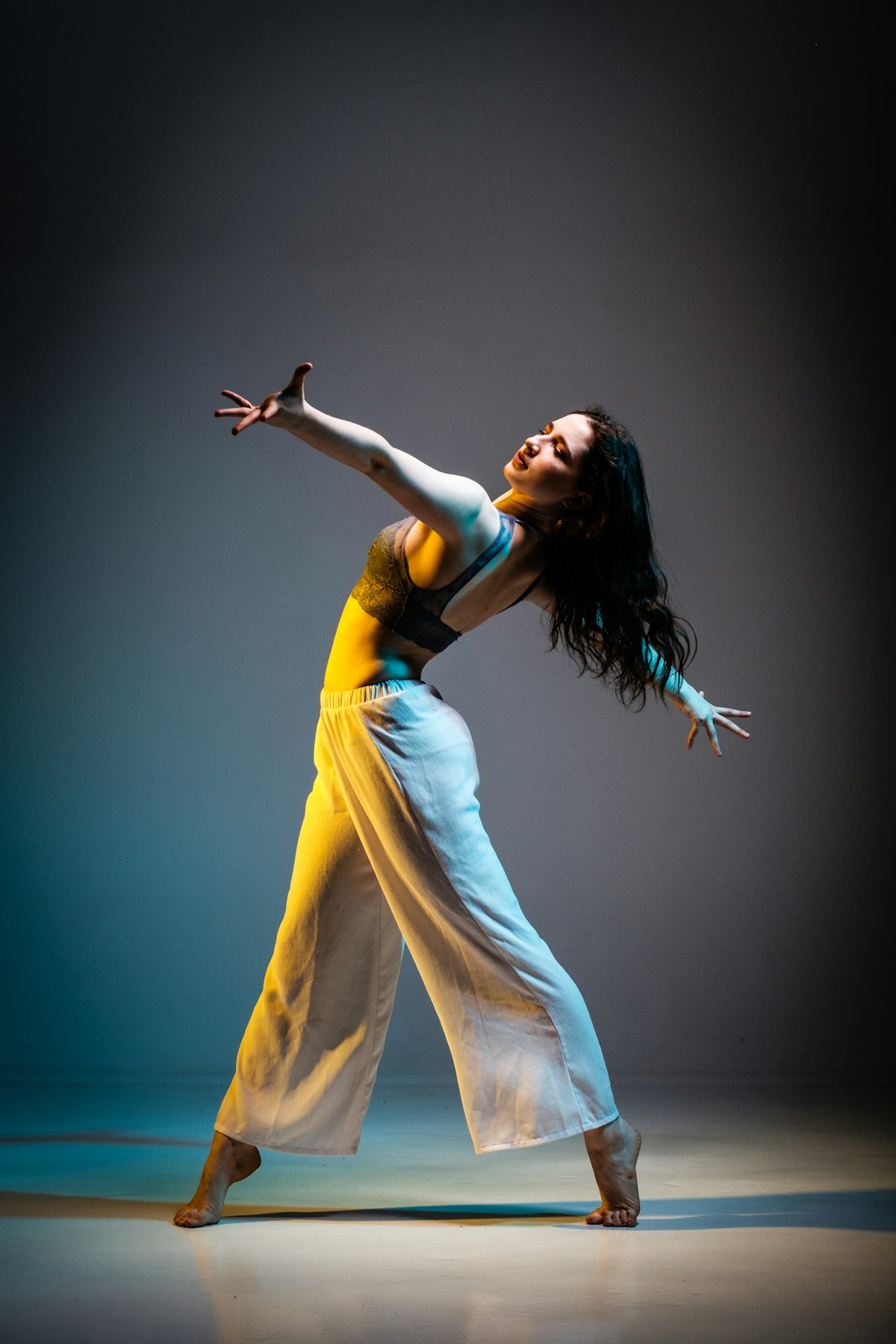
Forget the mirrored studios of the big city. There’s a different kind of rhythm calling, one that echoes off ancient stone walls, syncopates with the patter of lake rain, and finds its beat on oak floors polished by centuries. Welcome to Westmorland, where perfecting your tap isn’t just a lesson—it’s an immersion. This isn't about noise; it's about conversation. A conversation between your feet and the floor, between tradition and innovation, between you and a landscape that has inspired artists for generations.
The Studios: Where Craft is Honed
Westmorland’s tap scene is intimate, expert, and deeply connected. Here, you’re not just a student in a class; you’re an apprentice to a craft.
The Kendal Rhythm Collective
Tucked above a beloved bookshop on Stricklandgate, this studio is the brainchild of Maeve Donovan, a former West End hoofer who returned to her roots. The space is all exposed brick and sprung maple floor, with huge windows overlooking the river Kent.
Specialty: Maeve’s "Musicality & Phrasing" workshops are legendary. She teaches you to listen not just to the music, but to the spaces between the notes, using the natural flow of the surrounding landscape as a metaphor for rhythm. Perfect for intermediate to advanced tappers looking to add depth and storytelling to their work.
Windermere Body Percussion
Run by the dynamic duo Leo & Sam Chen, this studio in Bowness-on-Windermere focuses on the fusion of tap with other percussive dance forms—flamenco, Irish step, and body percussion. Their philosophy is that all rhythm is connected.
Why it’s unique: Their weekend "Lakeside Rhythm Retreats" combine morning technique drills with afternoon lakeside improvisation sessions. Imagine creating rhythms inspired by lapping water, rustling reeds, and distant boat engines. It’s transformative for breaking out of creative blocks.
Appleby Tap Barn
For the purest, most traditional tap experience, head to this converted 17th-century barn just outside Appleby-in-Westmorland. Master teacher Arthur "Arty" Fellows (78 and still teaching seven classes a week) is a living archive of classic Hoofing and Broadway styles.
The Vibe: No frills, just the sound of feet on wide-plank oak. Arty emphasizes clean, clear sounds, intricate time-steps, and the history behind every move. It’s the essential foundation for any serious dancer.
Beyond the Studio: Your Westmorland Practice Circuit
True footwork is perfected everywhere. Here’s your guide to training in the wild:
- The Settle Stones: The flat, smooth limestone slabs by the River Ribble near Settle offer a unique, slightly gritty acoustic. Perfect for practicing crisp, clear strikes.
- Shap Quarry (safely repurposed areas): The vast, open spaces create incredible natural reverb. Go for sunrise and feel your rhythms echo against the fells.
- Heritage Centre Floors: Many local museums and heritage centres have beautiful old halls. The Westmorland Heritage Centre in Kendal often hosts "Tap & History" sessions, connecting dance to local social history.
Pro Tip: The Westmorland Warm-Up
Before you dance, walk. A brisk 20-minute walk on uneven terrain—a footpath in the Lyth Valley or a gentle slope near Ullswater—activates the stabilizer muscles in your feet and ankles far better than any studio warm-up. It’s how you build the strong, adaptable foundation of a true rhythm dancer.
Finding Your Community & Events
The rhythm community here is warm and welcoming. Start at the Kendal Coffee & Tap Jam held every other Sunday at a local café. Bring your shoes, order a flat white, and join the informal circle. It’s low-pressure and high-fun.
Mark your calendar for the Westmorland Tap Festival, a three-day celebration every September featuring workshops from national and international teachers, performances in unique venues (like the ruins of Pendragon Castle), and the famous "Tap Trail" through Kendal's yards and snickettways.
The Perfect Sound: Caring for Your Shoes & Surfaces
The variable Cumbrian climate demands care. Always dry your shoes thoroughly after practicing outdoors. Invest in a second pair of taps (like teflon-bottomed ones) for outdoor use to preserve your main pair. Remember, the iconic sound of tap relies on a hard surface—respect historic floors and always check if tap shoes are permitted.
So, are you ready to answer the call? In Westmorland, you won’t just learn steps. You’ll learn to listen. You’ll learn to feel the rhythm of the land and let it flow through your feet. You’ll find clarity in the clean air, precision in the quiet, and a community that moves together. Lace up your shoes. The floor is waiting.










