Eureka Springs' Hidden Rhythm: Where Dancers Train in the Ozarks
Beyond the Victorian charm and winding hills, a pulse of disciplined movement thrives. We found the studios, the teachers, and the stories defining a surprising dance hub.
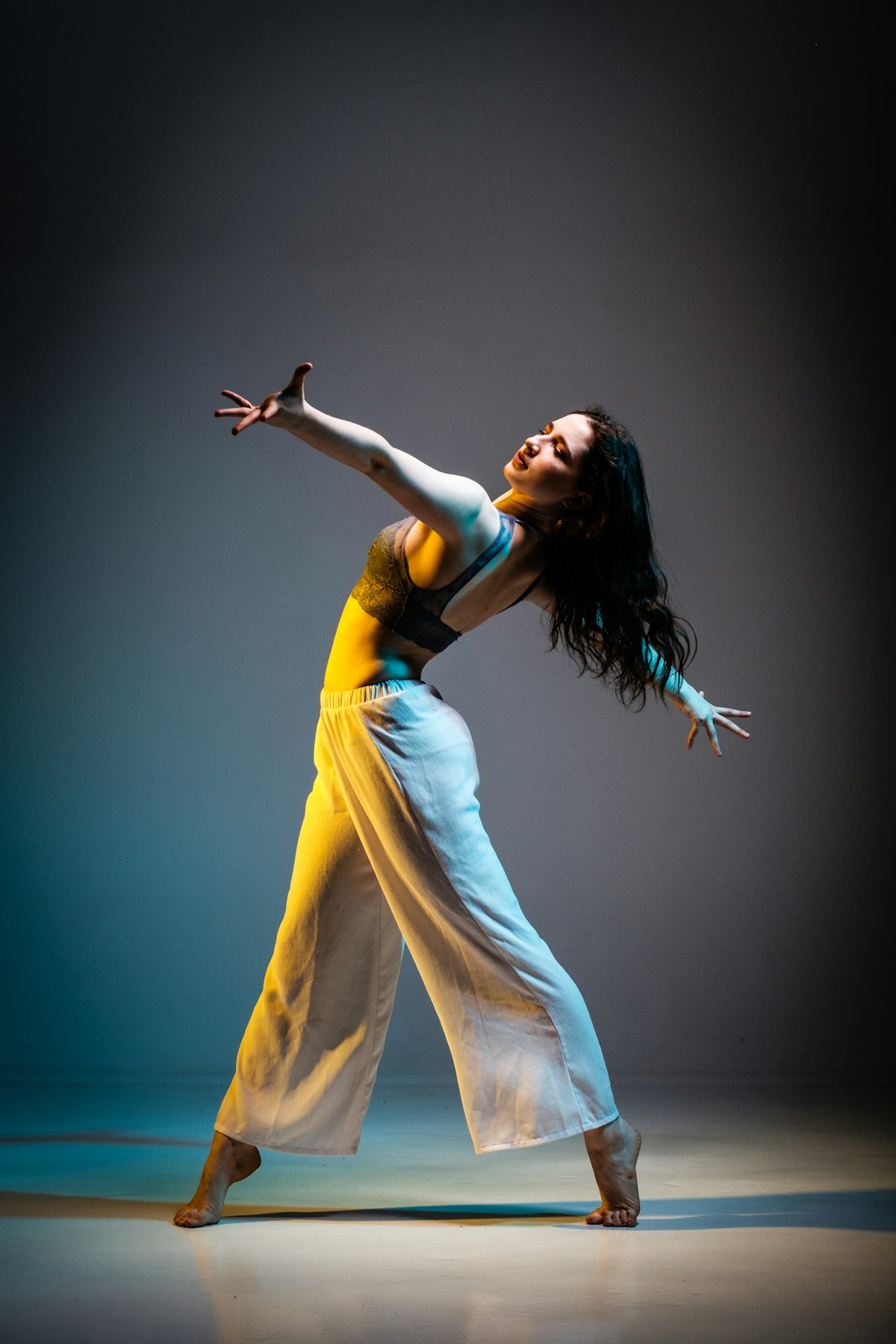
Eureka Springs is known for its twisty streets, haunted hotels, and vibrant arts scene. Visitors come for the history, the vibe, the quirky charm. But there’s another layer to this town’s creative soul, one that moves. Literally.
Tucked away in renovated churches, basements of historic buildings, and modern studios with floor-to-ceiling windows facing the woods, a dedicated community of dancers is training, creating, and pushing boundaries. This isn’t the flash of Broadway or the frenzy of a coastal scene; it’s something more rooted, more intentional. It’s the hidden rhythm of the Ozarks.
The Studios in the Hills
You won’t find massive, mirrored complexes here. The training grounds are as unique as the town itself. There’s “The Annex” in a converted auto garage on Magnetic Street, where the concrete floor was painstakingly replaced with sprung hardwood for ballet and contemporary. Over on Center Street, “Gravity Loft” occupies a third-floor space with views that make every plié feel connected to the landscape. And then there’s the legendary “Basement Ballet” below a popular café, where the scent of coffee and fresh pastry mixes with the sound of a pianist accompanying morning class.
“People are always surprised,” says Anya Petrova, a former principal with regional ballet companies who now runs the loft. “They ask, ‘Why here?’ I tell them the isolation is the point. There are no distractions, no industry noise. You train because you love the art form, period. That purity attracts serious students and professionals on retreat.”
More Than Ballet: A Tapestry of Movement
While classical ballet forms a strong technical core, the Eureka Springs dance scene is remarkably diverse. Weekly classes in modern, jazz, tap, and West African dance fill studios. A dedicated Appalachian clogging group meets in the community center, their rhythms a direct echo of the region's history. Perhaps most unexpectedly, there’s a thriving contact improvisation and contemporary scene, with dancers using the natural environment as their stage—performing in clearings, by springs, and in abandoned spaces.
Local choreographer Mateo Reyes explains the synergy: “The land is fluid—all these springs and caves. The architecture is crooked and unexpected. It teaches you about weight, counterbalance, and flow. Your movement can’t be rigid here; the environment won’t allow it.”
The Next Generation & The Festival Pulse
This isn’t just an adult endeavor. Robust youth programs are cultivating the next generation. The annual “Ozark Dance Festival” each fall has become a crucial pipeline, bringing in guest artists from Chicago, New York, and beyond for workshops and performances that sell out the historic auditorium.
The festival’s success hints at the broader economic and cultural impact. Dance families plan vacations around it. Empty storefronts temporarily become pop-up performance venues. For a few weeks, the hidden rhythm becomes the town’s main beat.
So, the next time you wander the steep streets of Eureka Springs, listen a little closer. Beneath the clip-clop of the trolley tours and the chatter from porch swings, you might hear the faint, percussive tap of a shoe, the hum of a recorded score, or the quiet count of eight. A community is moving, and they’re just getting started.










