A look at training that goes deeper than technique, fostering resilience, entrepreneurship, and social bonds in a post-pandemic world.

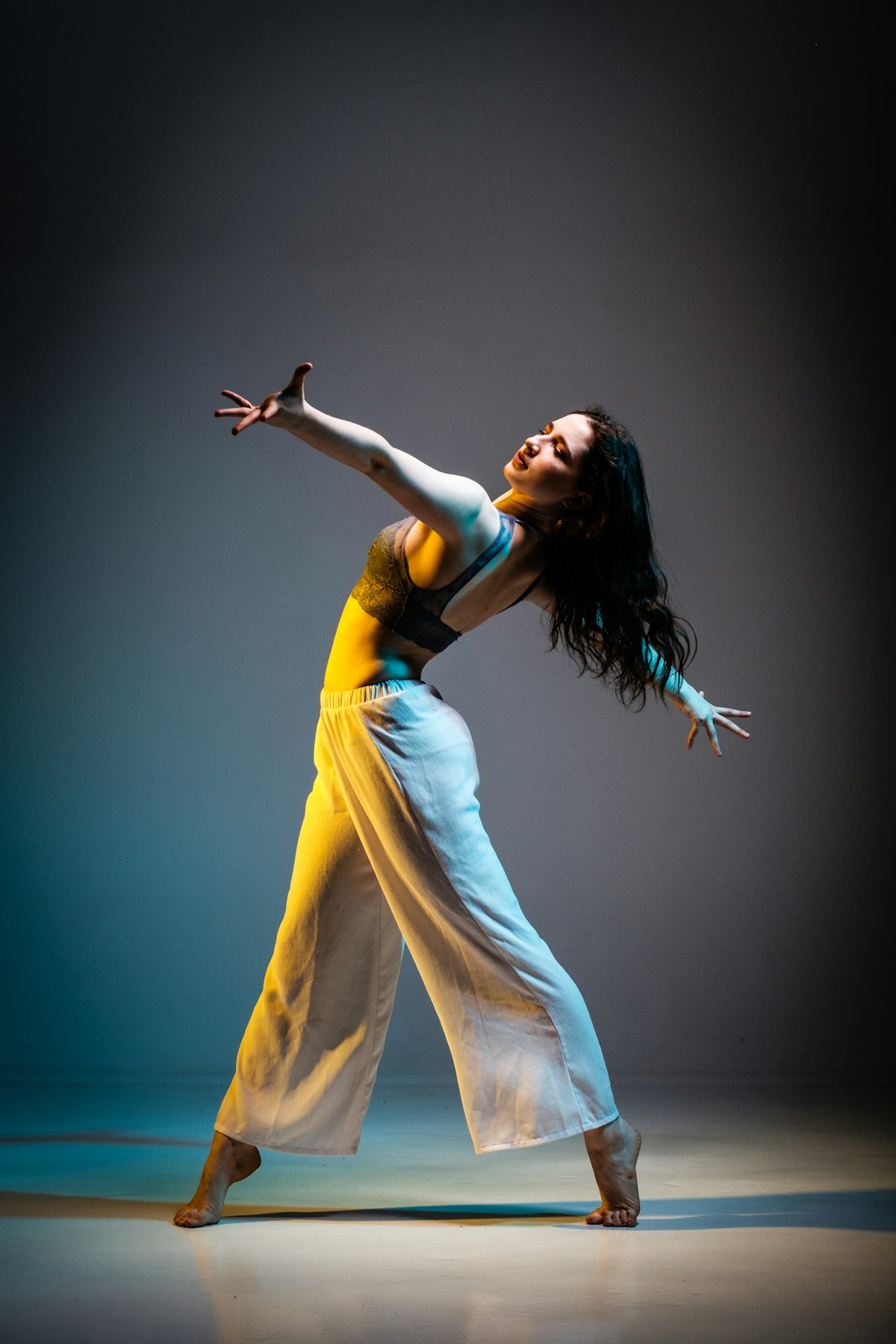
In the heart of Edmondson City, the rhythm is more than just steps in a studio. It’s the pulse of a community. While global headlines focus on the dazzling alumni of our dance academies—the principal dancers, the Broadway stars, the choreographers for hologram-pop concerts—a quieter, more profound story is unfolding within the walls of institutions like The Ailey Extension Edmondson, the City Ballet Conservatory, and the grassroots Moving Ground Collective.
This isn't a story about perfect pirouettes (though those are taught with rigor). It's about the human software installed alongside the physical hardware: resilience, financial literacy, digital branding, and communal care. In 2026, as the creative economy becomes more precarious and interconnected, these schools are redefining what it means to train a dancer.
The Curriculum of Connection
Walk into a "Professional Practices" seminar at the City Ballet Conservatory, and you won't see a barre. You'll see spreadsheets. Dancers, some as young as 16, are learning to budget for gig work, understand royalty structures for digital content, and navigate health insurance as independent contractors. “The ‘starving artist’ is a cliché we’re actively dismantling,” says director Arlo Jensen. “Financial anxiety inhibits artistic risk. Empowerment in the wallet fuels freedom on the floor.”
This holistic approach extends beyond self-care. The Ailey Extension’s flagship community program, "Dance as Dialogue," pairs advanced students with local seniors and teens in after-school programs. The goal isn't performance, but presence. “You learn to listen with your whole body,” says teaching artist Sofia Rivera. “That empathy translates. It makes you a better partner in a duet, and a better neighbor in your apartment building.”
From Studio to Startup
The entrepreneurial spirit is palpable. At the Moving Ground Collective, a co-working space adjoins the studio. Here, dancers edit dance films, design wearable tech for performance, and plot pop-up site-specific works. Recent graduate Leo Tam launched a successful subscription-based platform for dance conditioning from this space. “They taught me the plié, but they also taught me how to write a business plan,” Tam says. “The institution provided the network, the credibility, and the initial seed funding.”
By The Numbers: Edmondson City Dance Impact
87% of graduates from these three institutions remain in the local arts ecosystem after 3 years, as teachers, studio founders, or arts administrators.
42% have launched a community-focused project or small business.
Over 200 free community classes offered monthly across the city, facilitated by advanced students.
The Safety Net of Solidarity
Perhaps the most significant shift is the formalized system of mutual aid. The Edmondson Dancers’ Resource Network, pioneered by these institutions, functions as a decentralized support system. A dancer recovering from injury can access meal trains, physiotherapy grants, and mental health resources funded by a tiny percentage of ticket sales from fellow dancers’ shows. It’s a built-in community safety net, recognizing that a career in dance is inherently vulnerable.
“When I tore my ACL, I didn’t just lose a role; I faced losing my apartment,” recalls veteran contemporary dancer Marcus Thorne. “The Network stepped in. But more than the financial help, it was the calls, the check-ins. It made me feel like my worth wasn’t just my physical ability. That’s transformative.”
The Ripple Effect
This model of training is creating a different kind of cultural footprint for Edmondson City. The dance community is less siloed, more engaged in civic issues, and remarkably resilient in the face of economic shifts. New collaborations are blooming with tech incubators, urban planning projects, and public health initiatives, using movement as a tool for connection and innovation.
The final barre of the day at these schools might be about perfecting a tendu. But the real work—the work of building careers that are sustainable, and a community that is supportive—happens in the conversations after class, in the shared kitchen, and in the collective belief that the value of dance is measured not only in applause, but in the strength of the fabric it weaves within the city itself.










