Forged not in prestigious conservatories, but in repurposed warehouses and community centers, a network of radical studios is redefining what it means to be a dancer in the heart of the city.
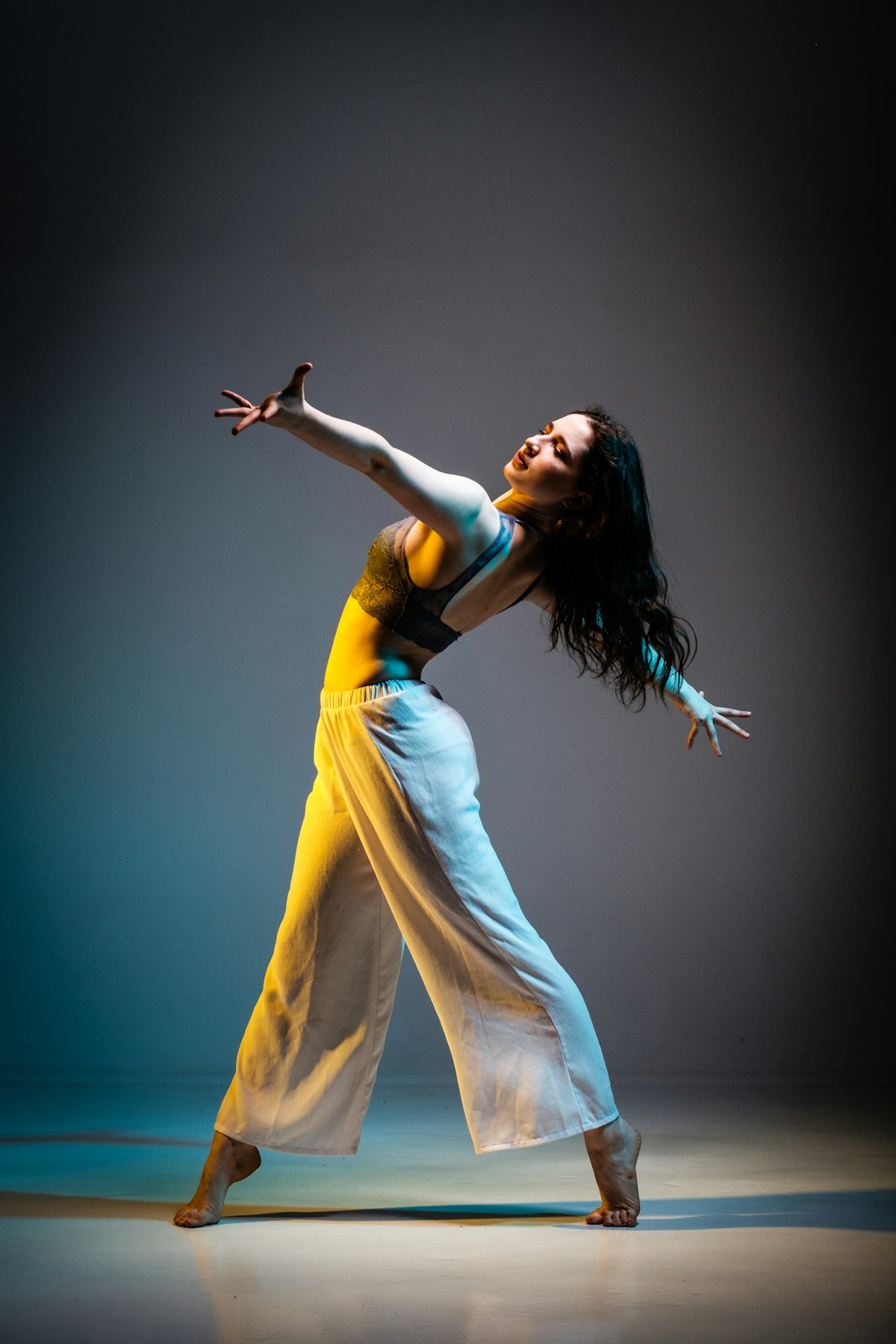
Forget what you know about dance academies—the mirrored walls, the rigid syllabi, the pursuit of a mythical technical perfection. In Bearden City, the pulse of contemporary dance beats in a different rhythm. It thrums in the exposed brick of the Northside’s “The Kinetic Foundry,” vibrates through the sprung floors of a converted textile mill in the East End, and echoes in the collaborative silence of the River District’s “Chamber Collective.” This isn't just training; it's ecosystem engineering.
Over the past half-decade, a constellation of independent training hubs has emerged, not in competition with each other, but as a symbiotic network. They are the secret engine behind the raw, visceral, and unmistakably *Bearden* style that’s starting to turn heads on national stages. These are places where code and choreography collide, where community activism is part of the warm-up, and where the dancer’s body is viewed as an instrument of both exquisite expression and political statement.
The Hub Model: Specialization Over Generalization
Unlike traditional schools that offer a broad curriculum, Bearden’s hubs thrive on deep, almost obsessive, specialization. Each has carved out a unique niche, attracting artists based on their philosophical and physical appetites.
The Kinetic Foundry
Housed in a former auto-body shop, The Foundry is a playground for the digital-physical hybrid. Dancers here train with sensor suits, learning to manipulate projected environments and generative soundscapes with their movement. Their signature class, "Reactive Body," teaches performers to dance in conversation with AI-driven visual art.
Chamber Collective
Rejecting the grand stage, Chamber focuses on “micro-dance” for non-traditional spaces—elevators, rooftops, crowded sidewalks. Their training is less about grand jetés and more about spatial awareness, intimate contact, and building a hyper-sensitive, collective mind within a group of performers.
Vernacular Rootwork Studio
This hub, rooted in the city's historically Black neighborhoods, is an act of cultural preservation and innovation. Led by elders and emerging innovators together, it focuses on codifying the vernacular street styles born in Bearden—the city’s unique swing, block-party footwork, and social dance rhythms—and weaving them into a contemporary technique that speaks of lineage and future.
The Ripple Effect: Beyond the Studio Walls
The impact of these hubs radiates outward. You see it in the sold-out, pop-up performances in abandoned lots that feel more like communal rituals than shows. You hear it in the collaborations with local electronic musicians, where the body becomes an extension of the synth line. You feel it in the city’s newfound confidence, wearing its gritty, innovative artistic identity as a badge of honor.
Critically, these spaces have also become de facto community centers, offering sliding-scale memberships and free community classes. They argue that a dancer who is connected to their city—its struggles, its rhythms, its people—will inevitably create more authentic and powerful work.
The 2026 Vanguard: What's Next?
As we look ahead, the hubs are already evolving. Biomechanics and somatic wellness are becoming core curricula, focusing on career longevity in a punishing art form. There’s a growing emphasis on entrepreneurship for dancers—teaching grant writing, self-production, and digital branding. The most exciting frontier is the nascent collaboration between the hubs, creating a fluid “cross-training” model where a dancer might study algorithmic composition at The Foundry one day and community-engaged storytelling at Vernacular Rootwork the next.
Bearden City’s dance scene proves that the future of contemporary training isn’t about homogenization; it’s about ecosystem. It’s a reminder that the most vibrant art often grows from the concrete up, in the spaces between what was and what could be. The bodies being forged in these hubs are agile, intelligent, and deeply connected. They are the bodies that will tell the next chapter of the city’s story.










