Where technique meets technology, and tradition collides with the avant-garde. How our city's studios are crafting the next generation of dance artists.
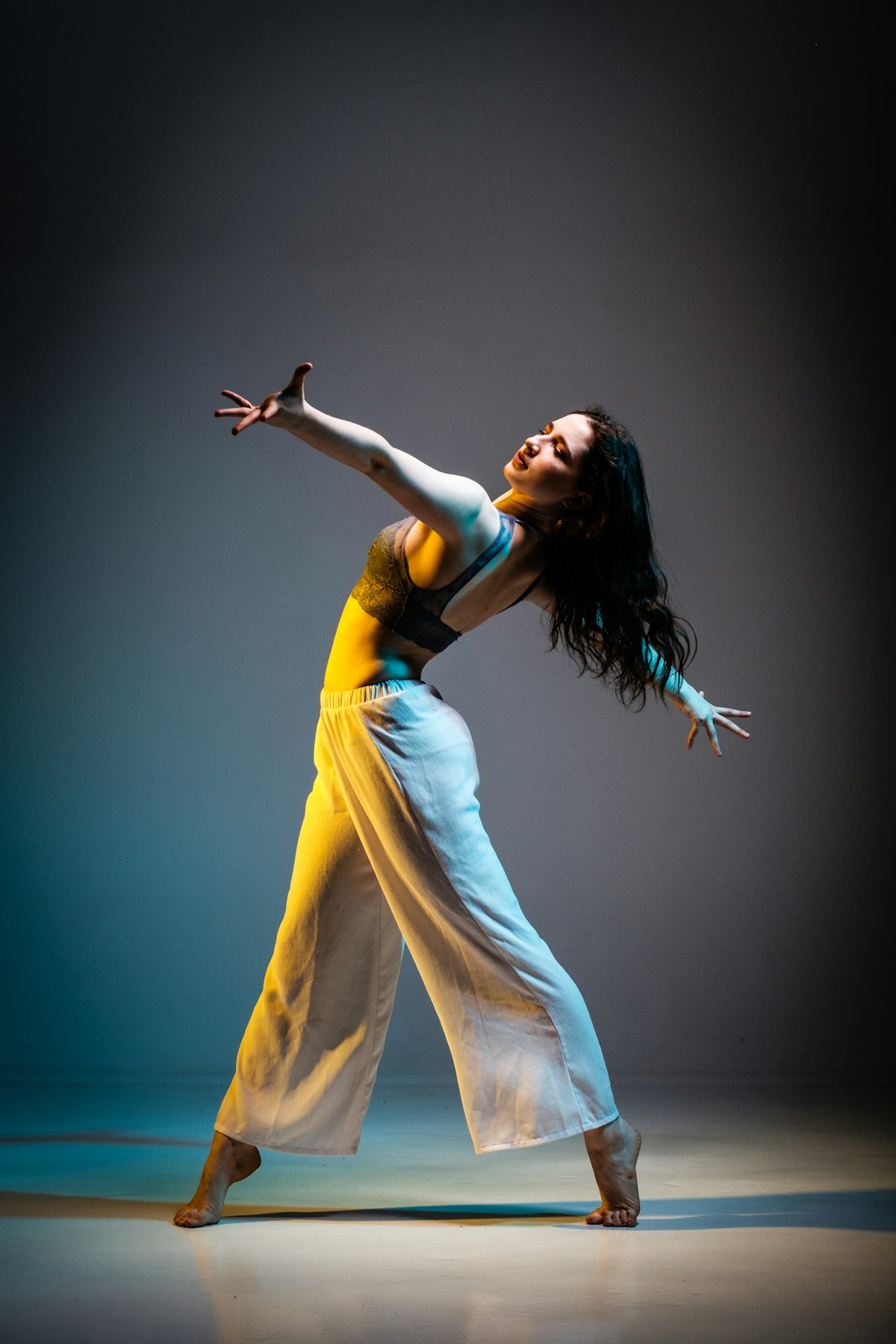
If you think contemporary dance training in Artesia is still about black leotards, counting eights, and mastering a Graham contraction, you're about a decade behind. The landscape has shifted seismically. The studios here are no longer just teaching how to move; they're incubators for holistic movement artists, equipped for a world where dance exists on stage, on screen, and in virtual spaces.
The old model—technique class, rehearsal, performance—has fractured and recombined. Today's training is a mosaic, and for the aspiring dancer in Artesia, the path is both more exciting and more complex than ever.
The New Pillars of Training
Gone is the singular focus on a single technique. The leading studios—like Kinetic Echo, The Praxis Lab, and Verve Movement Collective—have built curricula on three new pillars:
1. The Hybrid Athlete
Contemporary dancers are now cross-trained like elite athletes. It's not uncommon for a daily schedule to include Gaga movement language, followed by aerial silks conditioning, capped with a session of Axis Syllabus or functional range training. The goal is resilience, not just aesthetics. "We're preventing the career-ending injuries of the past," says Mira Chen, director of Kinetic Echo. "We're building bodies that can adapt, not just execute."
Spotlight: The Praxis Lab
This studio has fully integrated a "Dancer Wellness" track. Every student works with a nutritionist, a physical therapist specializing in performing arts, and a mental performance coach. Their studio is equipped with force plates and motion capture for biomechanical analysis—tools once reserved for Olympic athletes.
2. Digital Fluency
Contemporary dance now lives on TikTok, in VR installations, and in interactive web projects. Training, therefore, includes:
- On-Camera Technique: How to modulate movement for a phone screen vs. a cinema lens.
- Basic Choreographic Coding: Using platforms like TouchDesigner to create reactive visual environments for live performance.
- Personal Branding & Content Creation: It's a required class at Verve Movement Collective. "The dancer of 2026 is their own producer, editor, and marketer," explains founder Leo Torres.
3. Conceptual & Collaborative Agility
Choreography classes are now "Devising Labs." Dancers collaborate with local composers, visual artists, and even poets from day one. The focus is on developing a unique artistic voice and the soft skills to collaborate across disciplines. The most sought-after teachers aren't just former company stars; they're conceptual artists who use movement as their primary medium.
The Trending Vocabulary
Walk into an advanced class, and you'll hear less "plié" and "tendu," and more:
Task-Based Movement Somatic Improvisation Bio-Mechanical Release Real-Time Composition Ambient Performance
The Challenge: Depth vs. Breadth
This expansive approach isn't without critique. Some veteran teachers worry we're creating "jacks-of-all-trades, masters of none." Is a dancer spending 10 hours a week on digital media losing the profound physical intelligence that comes from 20 hours of pure technique?
The counter-argument is one of relevance. The market—from touring companies to commercial work to digital content—demands versatility. The Artesia dancer graduating from a top program today isn't just a performer; they're a creator, a technician, and an entrepreneur.
Finding Your Path
For students, the new landscape means being a savvy consumer. It's no longer about finding the "best" studio, but the right ecosystem. Ask: Does this space offer the technical rigor I need while fostering my unique voice? Does it connect me to a network of collaborating artists? Will it give me the tools to build my own opportunities?
Artesia's contemporary dance scene is vibrant, competitive, and relentlessly forward-looking. The training has moved beyond the basics of steps and sequences. It's now about building an adaptable, intelligent, and multi-faceted artist—one who is as comfortable in a motion-capture suit as they are in a bare studio, ready to define what dance can be next.











