Moving Beyond the Steps to Find the Soul of the Dance
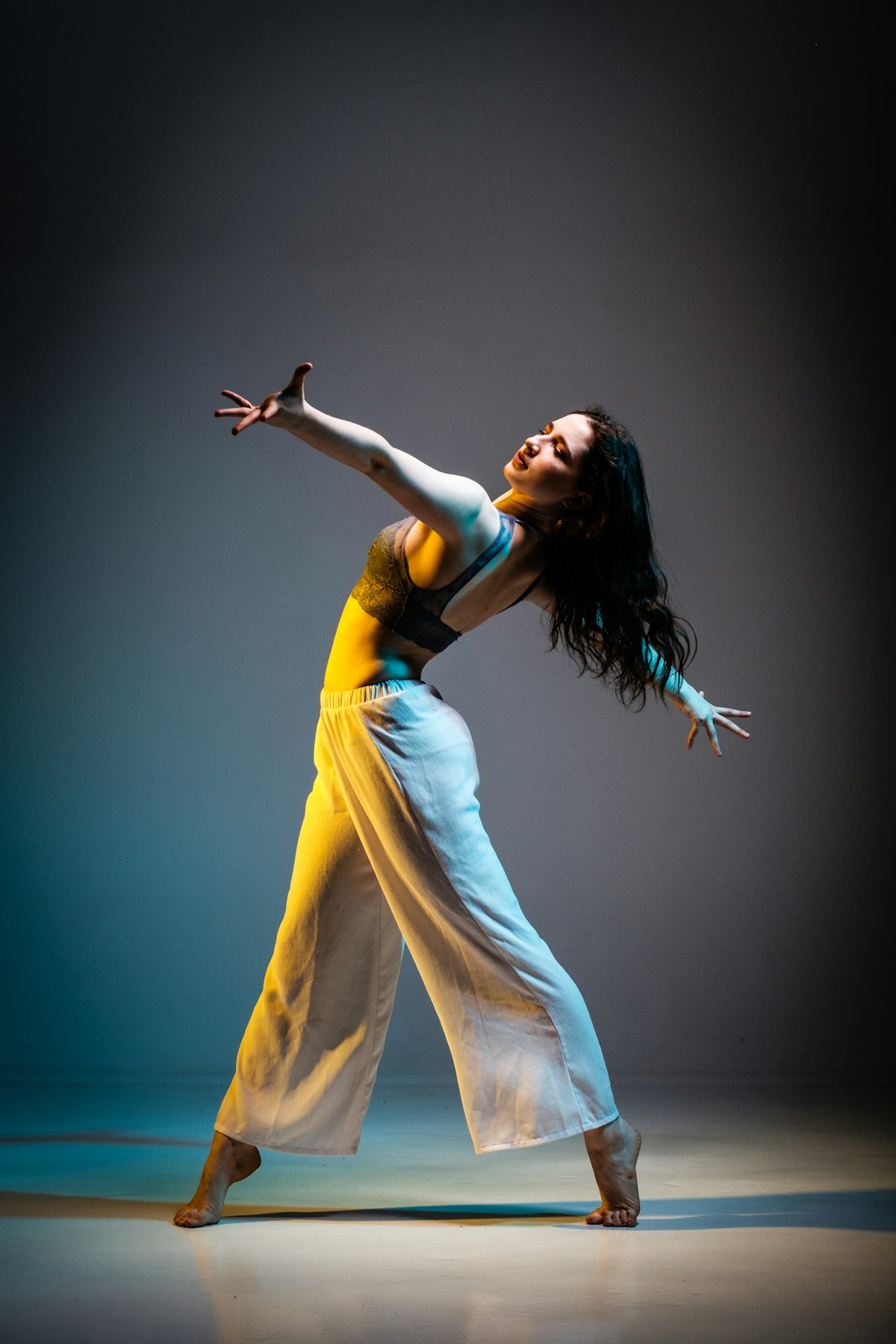
You’ve mastered the basic steps. You know the sequences for the hora, the ceili, and the bhangra circle. Your feet move with confidence, and you no longer need to watch your neighbors. Congratulations—you’ve arrived at a thrilling and often daunting plateau: the intermediate stage. This is where the real magic begins. The journey now shifts from learning the dance to becoming the dance. It’s the leap from technical proficiency to artistic expression, from counting beats to embodying musicality.
Folk dance at its core is not a performance; it's a conversation. A conversation with the music, with history, with your community, and with your own heart.
This phase is less about adding more complex turns and more about deepening the quality of every gesture, every pause, every glance. It’s about refining the dialogue between your movement and the music until they are inseparable.
Listening with Your Whole Body: The Heart of Musicality
Musicality isn’t just about hitting the downbeat. It’s about understanding the texture, phrasing, and emotion of the music. A folk tune tells a story—of harvest, longing, celebration, or rebellion. Your body is the narrator.
- Dissect the Layers: Move past the main melody. Can you hear the drone of the gaida (bagpipe), the rhythmic pulse of the tupan (drum), or the ornamentation of the fiddle? Let different instruments inspire different parts of your body—the shoulders respond to the strings, the feet answer the percussion.
- Phrasing Over Beats: Music is organized in phrases, often 4, 8, or 16 bars long. Your dance should reflect this structure. Build energy through a phrase, and find a moment of resolution or accent at its end, even if it’s just a lifted chin or a sustained shape.
- Embrace the "In-Between": The most expressive moments often live in the micro-moments between the primary steps—the slight suspension before a leap, the soft recovery after a stamp, the gentle sway connecting two quick steps.
Expression: It’s More Than Just a Smile
In many folk traditions, the face is a canvas of dignified intensity, not a constant grin. Expression is conveyed through posture, energy projection, and dynamic contrast.
- Intentional Posture: The proud, lifted chest of a Macedonian dancer tells of resilience. The grounded, slightly forward lean of an Appalachian flatfoot dancer speaks of connection to the earth. Your posture sets the character before you take a single step.
- Dynamic Range: Practice dancing the same sequence with different qualities: light and playful, then heavy and sorrowful, then sharp and defiant. How does the story change?
- Eyes and Focus: Your gaze directs energy. Are you connecting with other dancers, acknowledging the musicians, or looking inward to the memory the dance holds? A shared glance in a partner dance can be as communicative as any lead.
Intermediate Practice Drill
Choose a piece of music you know well. Dance it three times. First, focus only on the melody. Second, dance only to the percussion. Third, dance to a single, soft underlying instrument (like a bass line or drone). Finally, dance integrating all three layers. Notice how much richer your movement becomes.
From Imitation to Interpretation
As a beginner, you imitate your teacher perfectly. As an intermediate dancer, you must begin to interpret the tradition within its cultural framework. This requires respectful study and mindful embodiment.
Learn the why behind the dance. Is it a courtship ritual? A historical reenactment? A seasonal celebration? This knowledge infuses your movement with authentic intention. Your goal is not to invent new steps, but to fill the traditional vessel with genuine, personal feeling—to make the centuries-old pattern feel alive and immediate in this moment.
Remember, refinement is a lifelong practice. There is no final destination, only deeper layers of understanding. The intermediate leap is about embracing the beautiful struggle of making the folk dance truly yours, while honoring the community and history that gave it to you. So listen closer, feel deeper, and let the music move through you, not just around you.










