Where silence speaks, texture breathes, and rhythm paints the space between bodies.
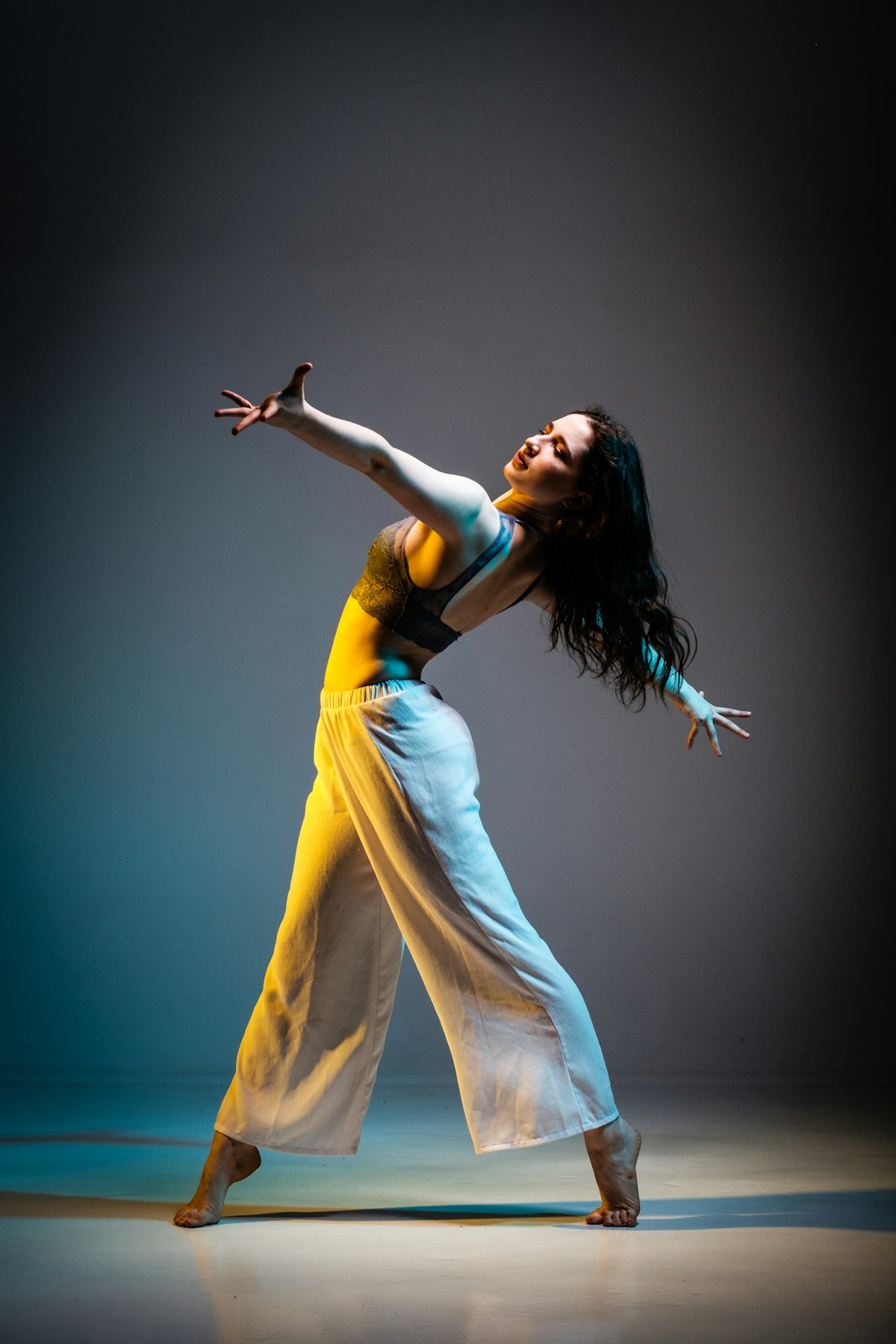
Forget the idea of music as a mere backdrop. In contemporary choreography, sound is the floor, the walls, and the air the dancer breathes. It’s a physical partner, an emotional catalyst, and a narrative framework. Curating the soundtrack for a piece isn't about finding songs you like—it’s about architecting an aural world that movement can inhabit.
Today’s choreographers are sonic archaeologists, digging through genres, field recordings, digital glitches, and profound silence. The playlist is no longer a linear sequence of tracks, but a dynamic, often non-linear, soundscape that demands as much creativity as the steps themselves.
Beyond Beat Matching: Principles of Sonic Curation
Gone are the days when contemporary dance lived solely in the realm of classical strings or ambient pads. The palette is now infinite. Here’s how the modern choreographer thinks about sound:
Texture Over Melody
Movement is tactile. Why shouldn't its sound be? Seek out music where you can feel the grit, the grain, the smoothness, or the crackle. The shudder of a cello bow, the digital distortion of a voice memo, the rhythmic pattern of rainfall—these textures give dancers something physical to push against or melt into.
The Power of the Negative Space (Silence & Stillness)
Treat silence as an instrument. A sudden drop can be a dramatic fall. A prolonged pause can build unbearable tension. Curate the absence of sound as intentionally as its presence. What movement lives in that quiet? Often, it’s where the raw humanity of the performance shines through.
Non-Linear Narrative
Contemporary pieces often reject linear storytelling. Your soundtrack can mirror this. Use sonic leitmotifs that reappear in different forms. Jump-cut between disparate genres to create juxtaposition. Let a folk melody be devoured by industrial noise. The emotional journey doesn't have to be A to B; it can be a spiral, a scatter plot, a loop.
Found Sound & The Everyday
The hum of a refrigerator, the chatter of a train station, the clicking of a keyboard. Integrating "found sound" grounds ephemeral movement in the familiar, creating a powerful, often uncanny, connection with the audience. It blurs the line between performance and reality.
A Sample Curation Framework: The Emotional Arc
Let’s apply this to a hypothetical piece exploring resilience. The playlist isn't a collection of "sad" then "happy" songs. It’s a layered construction:
Act I: Fracture
Sonic Character: Brittle, isolated, granular. Think solo piano with prepared strings (like Hauschka or Nils Frahm), or glitchy electronic where the beat stutters and fails. Field recordings of breaking ice or crumbling earth.
Act II: Resonance
Sonic Character: Expanding, echoing, building connections. Deep, resonant drones (like William Basinski or Kali Malone), music with recurring echoes and delays. The introduction of a simple, repeating vocal phrase.
Act III: Momentum
Sonic Character: Rhythmic propulsion, but organic. Complex, polyrhythmic percussion (think BONGO or the organic tech of BAILE), post-rock builds (like Mogwai or This Will Destroy You), or the driving pulse of artists like Kaitlyn Aurelia Smith.
The Final Collaboration: Dancer as Listener
The ultimate test of a curated soundtrack is in the studio. Play it for the dancers in its entirety. Watch how their bodies respond instinctively to different passages. Do they lean into the textures? Does the silence make them expand or contract? The dancers will often discover relationships between sound and movement you never planned—embrace that. The perfect playlist isn't imposed; it’s a co-creation, a dialogue between the curator’s ear and the dancer’s kinetic response.
In the end, the goal is not to have the audience leave humming a tune. It’s to have them leave feeling the sound in their bones, as if the movement they witnessed painted the music directly onto their senses. That’s the true soundtrack of motion.










