Beyond the cornfields and quiet streets, a rhythmic pulse beats. In a village of 500, tap shoes are writing a story of community, resilience, and unexpected artistry.
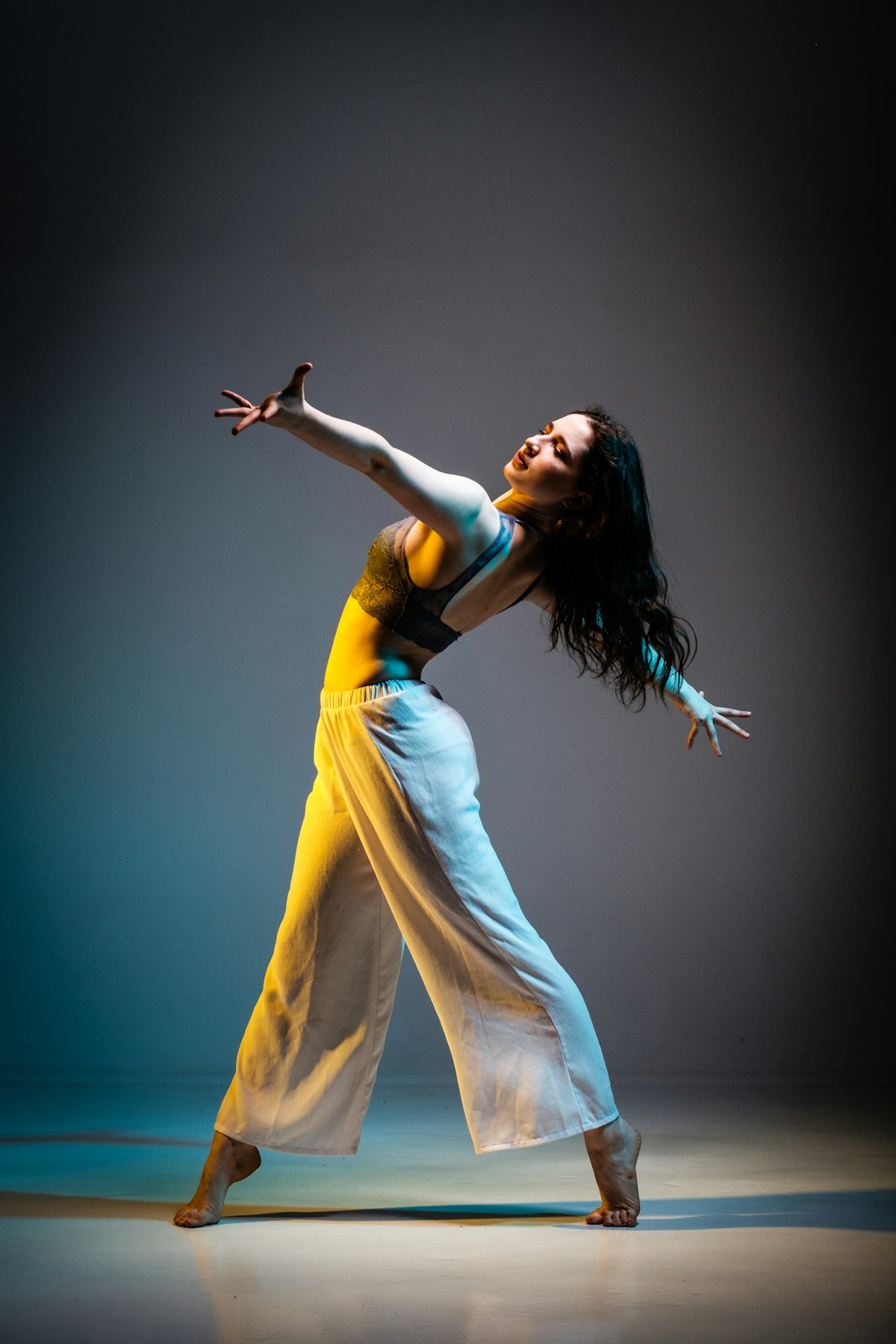
You might not expect to find it here. Pewamo, Michigan—a dot on the map where everyone knows everyone, where the pace is measured by seasons and school bells. Yet, in the basement of the community hall, next to the fire department’s pancake breakfast sign-up sheets, there’s a sound that defies expectation: the crisp, syncopated chatter of tap shoes. It’s a sound more commonly associated with Broadway marquees or big-city studios, not a small farming community. But that’s exactly what makes it so powerful.
This isn’t about grooming the next generation of professional dancers for stages in New York or Chicago. This is about something deeper, more rooted. The tap program here, run not by a retired professional but by a dedicated parent who learned from YouTube and sheer passion, is a lesson in what happens when art is stripped of pretense and planted in fertile soil.
The Rhythm of Place
The connection is palpable. The clean, repetitive *click-clack* of metal on wood echoes the steady, reliable rhythms of small-town life—the tractor in the field, the train passing through, the collective sigh of a community that shows up. The dancers, aged 7 to 70, aren’t performing abstract routines; they’re translating the heartbeat of their home into movement.
There’s a tangible humility in the space. The mirrors are old, donated by a local salon. The barre is a repurposed handrail. But the lack of gloss reveals the core of dance education: it’s about people, not props. The "recital" is the Fourth of July parade, where the tap line weaves between fire trucks and floats, their rhythm becoming part of the town’s celebration.
Unexpected Blossoms: What Grows Here
Confidence from the Ground Up
For a shy child, mastering a time step becomes a quiet, personal revolution. The sound they create is undeniable proof of their own capability, a confidence that translates to the classroom and beyond.
Intergenerational Groove
It’s not uncommon to see a grandmother learning a shuffle-ball-change alongside her granddaughter. The studio becomes a rare social space where age barriers dissolve into shared concentration and laughter.
The Economics of Art
With minimal fees and homemade costumes, the program is accessible to all. It proves that profound artistic experience isn't dependent on wealth, but on willingness and community support.
A Different Kind of Spotlight
The success isn’t measured in trophies or scholarships (though those are celebrated when they come). It’s measured in the teenager who uses tap as an emotional outlet, in the lifelong friendships forged at the barre, in the way the entire town perks up when "their" dancers take the makeshift stage at the street fair. The audience isn’t a faceless crowd of critics; it’s your neighbor, your teacher, the person who bags your groceries.
Pewamo’s tap roots run deep because they’re intertwined with the roots of the community itself. The dance floor is a place of belonging, the steps a shared language. In an era of isolation and curated online personas, this small-town studio offers something authentic: the simple, joyful noise of people creating together, one tap at a time.
It’s a reminder that sometimes, the most vibrant cultural scenes aren’t in cosmopolitan centers, but in the places where art has to mean something to survive. Where it’s not a luxury, but a necessity—as essential and life-giving as the water from the tap.










