Feel the Rhythm Before You Pick the Outfit
Before you even open your closet, close your eyes and think of the sound. That driving accordion, the steady tambora drum, the shaker keeping time. Cumbia isn't a dance you just watch; it’s a current you step into. Your clothes shouldn’t just look the part—they need to move with that current, to become part of the conversation between your body and the music. So let’s forget about costumes and talk about gear that breathes, flows, and tells a little bit of your story on the dance floor.
The Soul in the Details: A Nod to Roots
You don’t need to wear a full traditional pollera to a Saturday night social, but knowing where the visual language comes from changes how you wear modern pieces. That sweeping skirt? It’s not just pretty—it echoes the layered, voluminous pollera that moves like a wave. The crisp white shirt many men wear? It’s a clean canvas, a whisper of the colonial liquiliqui made vital by a flash of red at the waist. When you choose a flowing peasant top or a bright red accessory, you’re not just following a trend. You’re connecting to a lineage that blended Indigenous, African, and Spanish threads into something entirely new.
Your Go-To Pieces: Built for Motion
Forget stiff, restrictive fashion. Your Cumbia wardrobe is all about intelligent flow.
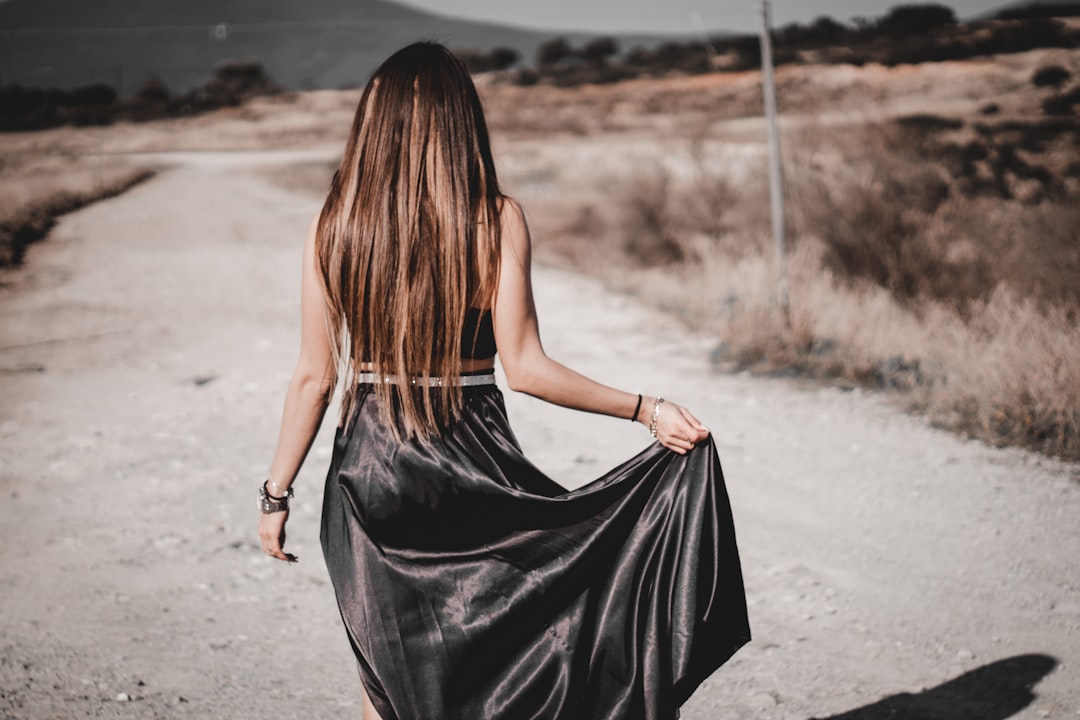
For Everyone: Think circular. A circle skirt, even a knee-length one, will flare beautifully on a turn. Wide-leg pants in linen or rayon let your legs breathe and move without catching. The key is a silhouette that doesn't fight your hips.
Tops That Talk: An off-the-shoulder blouse isn't just a style—it frees up your shoulders for that expressive upper body carriage. A simple, fitted tank works for hotter sessions, but look for one with a little stretch. Avoid anything that binds across the chest or back when you lift your arms.
A Layer of Story: This is a pro tip. Try wearing a longer, open vest or a lightweight, unbuttoned shirt over your base outfit. It mimics the layered look of traditional dress and creates incredible movement as you spin, without adding heat.
Fabric is Your Secret Weapon
You’ll be generating your own heat with zapateo footwork and hip isolations. The wrong fabric turns a joyful dance into a sticky, uncomfortable ordeal.
- **Reach for:** Cotton that breathes. Linen that gets softer with every wash. Bamboo blends that wick moisture away. Rayon that drapes like water.
- **Avoid at all costs:** Anything polyester or acrylic. It traps heat and smell. Stiff denim. Anything that feels like it would make a "swish" sound on a mannequin.
For an outdoor festival, a lightweight cotton is perfect. For a packed club, a performance-blend fabric (think athletic wear that doesn’t look like gym clothes) can be a game-changer.
Color With a Pulse
Cumbia is vibrant, but your color choice can be personal. You don’t have to wear the Colombian flag (though a bold yellow, blue, or red is always powerful). Look around:
- **Earthy Tones:** Sand, terracotta, and deep green connect to the Caribbean coast.
- **Oceanic Blues:** From turquoise to navy, reflecting the sea that carried these rhythms.
- **A Pop of African Wax Print:** A headwrap, a pocket square, or a trim on a skirt can introduce a bold, geometric pattern that speaks to the dance’s African roots.
A monochromatic outfit—like all-white with a single, striking necklace—can be incredibly striking and honor tradition with a modern whisper.
Your Connection to the Floor: Shoes
This is non-negotiable. Your shoes are your primary instrument.
- **On Wood Floors (Most Clubs):** Leather or suede-soled shoes are ideal. They let you pivot smoothly without straining your knees. Dance sneakers or even casual loafers with a smooth sole work wonders.
- **On Concrete or Outdoors:** Flexible is the name of the game. Traditional *alpargatas* (espadrilles) are perfect. Modern canvas slip-ons with a flexible rubber sole are great, too. You need to feel the ground.
- **Absolute No-Gos:** Flip-flops (unsafe), running shoes (they grip and can torque your knees), and high heels. Cumbia is grounded. You need stability, not height.
The Finishing Touch: Adorn, Don't Drown
Accessories are your exclamation point. A wide-brimmed hat can frame your movement. A long, swaying earring (if secure!) can mirror your hip motion. A bold bracelet can catch the light.
But remember the rule: if it jangles so loud it competes with the guacharaca, if it flails and hits your partner, or if you have to worry about it falling off, it’s not an accessory—it’s a distraction. Secure it or leave it.
At the end of the day, the best thing you can wear is the confidence that comes from being comfortable. When your clothes move with you, not against you, you stop thinking about them. And that’s when you can truly lose yourself in the music, letting your outfit become just another extension of the rhythm flowing through you. Now go make the floor your own.