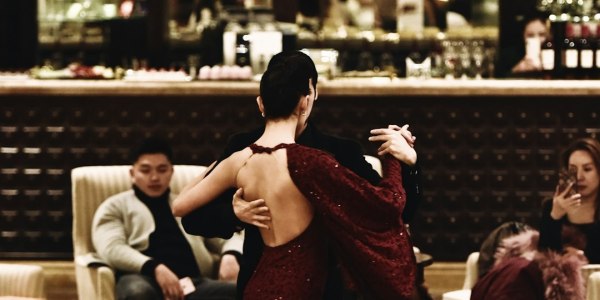
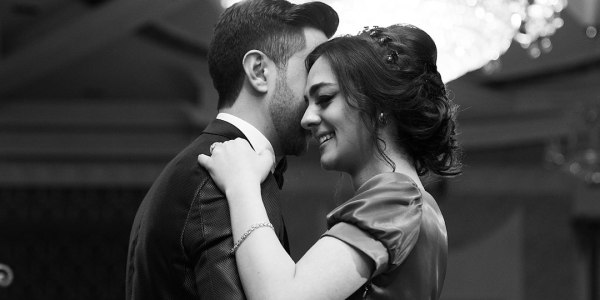
So, you’ve signed up for your first ballroom competition. Maybe your instructor finally wore you down, or you watched a glittering video online and thought, I want that. Now reality is setting in. Twelve hours in a ballroom, hundreds of dollars lighter, and all for maybe 30 seconds on the floor. Why does anyone do this? Because that 30 seconds is electric. And if you play it smart, you’ll walk away hooked.
Let’s get you ready, not just with a checklist, but with the stuff they don’t always mention in lessons.
It’s Not Just a Dance—It’s a Culture Shock
First, forget the idea of a simple “dance-off.” Ballroom competitions are their own universe. You’ve got three main federations (NDCA, USA Dance, WDSF), each with its own vibe, costs, and unwritten rules. Picking the wrong one is like showing up to a black-tie gala in jeans.
Most beginners start in “Newcomer” or “Bronze” divisions, where the steps are kept basic. That’s a good thing. It means you can focus on not tripping over your own feet instead of memorizing a complex routine. Just don’t get talked into entering an “Open” division too early. Ego has no place on the competition floor.
And timing is everything. Registration closes weeks in advance. Miss that deadline, and you’ll pay double—if they let you in at all.
Choosing Your Battlefield: Not All Comps Are Created Equal
Your first competition shouldn’t be a massive, intimidating nationals. Look for a local “feeder” event. The stakes are lower, the schedules are kinder, and you might actually get a moment of feedback from a judge instead of just a score.
Check if your specific category even exists. “Men’s Newcomer Latin” might be on the list, but “Adult Amateur Standard Newcomer” could be split into tiny age brackets. Confirm before you pay.
And talk to your dance teacher. They know which events have fair judging, sensible timing, and a floor that isn’t packed like a rush-hour subway. Their insider knowledge is worth more than any online forum.
The Hidden Price Tag (It’s Not Just the Entry Fee)
The entry fee is just the cover charge. The real cost is the ecosystem around it. Budget for:
- **Travel & Stay:** Could be zero if it’s local, or $500+ for a weekend away.
- **Coaching at the Event:** Want your teacher there for a last-minute pep talk or to spot what went wrong? That’ll be $100-$300 a day.
- **The Look:** Renting or buying a costume, getting your hair and makeup done… it adds up fast.
- **Video Proof:** You’ll want to rewatch your moment of glory (and analyze your mistakes). That’s another $25-$75.
Your Partner: This is a Business Arrangement
Finding a dance partner is like entering a very specific, sparkly marriage. Before you commit, have the awkward talks.
- **Money:** Who pays for what? A 50/50 split on entries is common, but costumes are usually each person’s responsibility.
- **Time:** If you want to practice six hours a week and they want two, resentment will build faster than your cha-cha-cha.
- **Conflict:** How will you handle the inevitable blame game after a misstep? Because that argument will happen, probably ten minutes before you’re on.
- **The Breakup:** If it doesn’t work out, who keeps the choreography you paid someone to create? Sort this out early.
The right partner isn’t just a good dancer. They’re someone who communicates under pressure, matches your ambition, and understands that dance chemistry doesn’t equal real-life romance.
The Final Countdown: Training Your Body and Mind
Most couples train for 3-6 months before their debut. This isn’t just showing up to class.
- **Privates are Non-Negotiable:** Group classes are great for fun, but private lessons ($60-$120/hour) are where you fix the tiny flaws that judges spot instantly.
- **Practice With Purpose:** Dancing without a coach’s eye just reinforces your mistakes. Book supervised practice time.
- **Solo Homework:** You can practice footwork, balance, and arm styling alone for 15 minutes a day. Your partnership needs your partner, but your technique is yours to own.
What the Judges Are *Really* Looking At
They’re watching a dozen couples at once. You have seconds to make an impression. While criteria vary, they’re always scanning for:
- **For Smooth/Standard:** Your posture, your frame, how you navigate traffic on the floor, and that graceful rise-and-fall in a waltz.
- **For Rhythm/Latin:** Your hip action, sharp timing, body isolation, and the fiery connection with your partner in open holds.
First impressions are massive. The way you hold yourself as you step onto the floor, your confident smile—this matters before you even take your first step.
The Unspoken Rules
Learn the etiquette. Don’t cross the floor in front of competing couples. Thank the judges with a nod or a small bow at the end of your heat. And for everyone’s sake, wear deodorant. It’s a long day in close quarters.
Your first competition is a marathon of hurry-up-and-wait, punctuated by a flash of adrenaline. You might not place. You might forget your routine. But you’ll feel the buzz of the music, the support of your fellow competitors, and the thrill of stepping out of your comfort zone. That’s the real win.
So go ahead, embrace the chaos. Glitter up, take a deep breath, and dance your heart out. You’re not just competing—you’re starting an obsession.