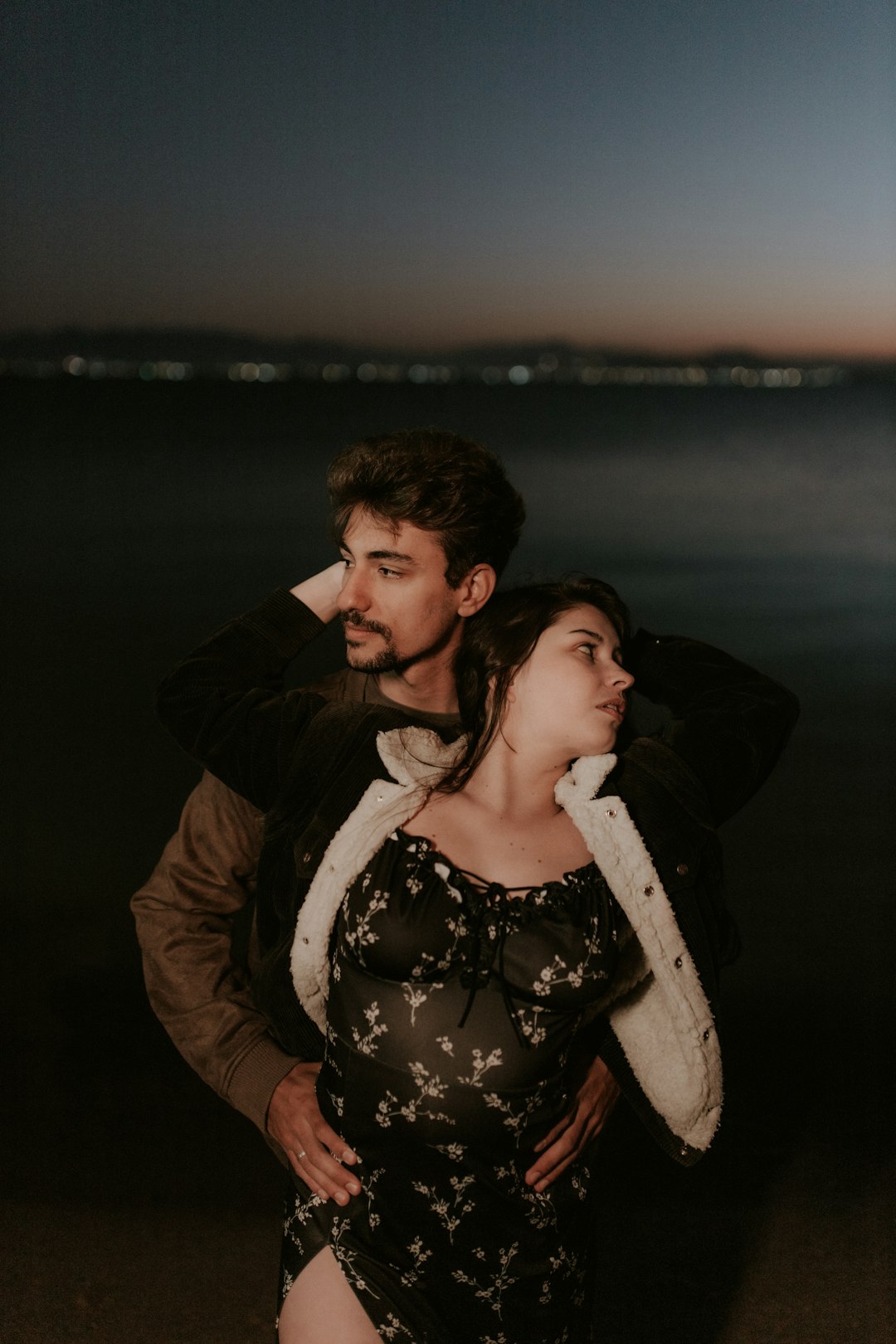
There's a moment at every Latin social — that instant when someone steps onto the floor and suddenly the whole room shifts. It's not about doing more steps. It's about doing the same steps with a quality of movement that makes people stop mid-conversation to watch. That's what separates the dancers who fade into the crowd from the ones who become the reason people showed up.
Cumbia is the most democratic dance in the Latin canon. It travels everywhere — from weddings in Bogotá to packed clubs in Seoul, from street festivals in Buenos Aires to living rooms in small-town Texas. The basics are simple enough that anyone can pick them up in one night. But the basics will only carry you so far. At some point, you realize everyone around you knows the same four moves, and you're all doing the same choreography without even realizing it.
So what's the actual difference between a dancer who gets compliments and one who gets remembered?
The Hip Language Nobody Teaches You
Most beginners approach cumbia with their feet. Experienced dancers know the conversation actually happens in the hips. Not just a casual side-to-side motion — I'm talking about a deep, continuous undulation that travels from the pelvis through the spine and connects all the way up to the shoulders.
Think about the way water moves. Not on the surface, where it's choppy and reactive. Deep water, underwater currents — that's what you're going for. Start with your knees soft, almost spring-loaded. Shift your weight laterally, but let the movement originate from deep in your hip sockets, not from your feet. Your hips should lead; your feet should follow. When you get this right, something strange and wonderful happens: your upper body stops fighting the movement, and you start to look like you're breathing with your whole body.
The torso rotation that pairs with this — most people overdo it. You don't need to twist dramatically. A subtle counter-rotation, maybe thirty degrees of shoulder separation from the hips, is enough to create the illusion of depth and dimension. When combined with the hip undulation, it makes the simplest basic step look like you've been dancing for ten years.
The Cross That Changes Everything
The cumbia cross is where most dancers check out mentally. They learn the foot pattern — right over left, left over right, repeat — and they stop there. But the cross isn't really about the feet. It's about weight distribution and timing, and when you understand those two things, the whole move transforms.
The mistake everyone makes is crossing their feet and then pausing to reset. That's why it looks mechanical. Instead, think of it as a continuous shifting of weight across a center line that keeps moving forward. Your feet cross, but your weight never actually stops — you're always arriving somewhere, never just pausing. When you add the hip movement we've already talked about, this one step suddenly becomes a full-body statement.
Try this drill: practice the cross while bouncing gently on the balls of your feet, keeping your knees soft. The bouncing isn't a new movement — it's just the cumbia pulse made literal. Now cross your feet over that pulse. See how the rhythm stays constant while your footwork adds texture? That's the difference between a step and a move.
The Turn That Makes Your Partner Look Good
Here's a secret nobody teaches in group classes: the best turns in cumbia aren't about you. They're about how you make your partner feel in the turn. A beautiful butterfly turn is, technically, a synchronized pivot — you pivot on one foot, your partner pivots on theirs, and you rotate around a shared center of gravity. But technically correct turns can still feel awkward if the spatial awareness isn't there.
The key is eye contact. Not at the beginning of the turn — during. Find your partner's eyes at the moment of rotation and hold that connection through the whole turn. It sounds simple, but watch how many dancers break eye contact the second they start to spin. That broken connection is what makes turns feel disjointed. When you hold the eyes, the turn becomes a conversation, not just a trick.
Also: speed variance. Most dancers execute their turns at a uniform speed — same pace in, same pace out. But the turns that get remembered have dynamics. You can build into the turn with increasing momentum and then catch the energy at the peak before transitioning into something else. That breath — the slight pause at the crescendo — is what gives your partner time to adjust and feel supported.
The Dip That Requires Trust
Dips are polarizing. Done well, they elevate an entire dance. Done poorly, they send someone to the floor in a way that neither of you will forget for the right reasons.
Here's what matters most in a dip: preparation. Not just practice — actual conversation. Before you attempt a dip, tell your partner. Ask if they're comfortable. Have them put a hand on your shoulder so they know exactly where their weight will be supported. Ramping up to a dip from a lower angle is always safer than going straight back from vertical.
And for the person being dipped: relax your back. A tense back is what causes injuries. When you trust your partner's support, your body goes limp — not collapsed, just released. Your partner can only guide you if you're not resisting.
The Energy Secret
Here's the thing about advanced cumbia technique that nobody wants to admit: the moves don't matter as much as you think they do. A dancer with perfect technique and no presence will always lose to a dancer with decent technique and total commitment to the moment.
Cumbia rewards boldness. It rewards people who take up space, who aren't afraid to be seen, who treat every dance as a small performance even if nobody's watching. The music itself — those layered percussion patterns, the call-and-response melodies — it's designed to be felt viscerally. When you dance cumbia like you're reading a manual, the music suffers for it.
So yes, learn the moves. Practice them until they live in your muscle memory and your brain can stop managing them. But then forget them. Let the music lead you. The best cumbia dancers aren't the ones who remember the most steps — they're the ones who know how to listen and respond in real time.
That's the real secret. There are no secrets. Just deeper ways to listen.